Arap Ahmet Mosque Cemetery
A Distinguished Legacy of the Ottoman Period in Cyprus: Arab Ahmad Pasha
The Arab Ahmad Pasha Mosque, one of the most significant Ottoman monuments that preserves Nicosia’s historic character to this day, honours the memory of Arab Ahmad Pasha, after whom the Arap Ahmet neighbourhood in which it stands is named. More than merely a building constructed for the purpose of worship, the mosque—together with the historic surroundings and the gravestones in its cemetery—stands as a significant witness to the urban life, social structure and cultural memory that took shape in Nicosia during the Ottoman period.
Arab Ahmad Pasha is regarded as one of the leading statesmen and military figures of the period when the Ottoman Empire established its rule in Cyprus. Having taken part in the military campaign to conquer Cyprus, Arab Ahmad Pasha went on to hold important administrative posts on the island following its incorporation into the Ottoman Empire. Ahmet Pasha, who is recorded in sources as having served as Beylerbey of Cyprus, was among the senior officials who played a key role in the process of institutionalising Ottoman rule on the island.
Following the conquest, it was not considered sufficient merely to establish military control over Cyprus; a comprehensive process of reconstruction was initiated aimed at repopulating the island, revitalising economic activity, rebuilding the towns, and establishing the Ottoman administrative system. The name of Arab Ahmet Pasha also holds a significant place in these reconstruction and resettlement activities. In this respect, he stands out not only for his military identity but also as an administrator and a supporter of reconstruction efforts in Cyprus’s post-conquest transformation.
Arab Ahmad Pasha’s legacy in Nicosia is not limited to the mosque and neighbourhood named after him. The fact that his name also appears in the endowment properties associated with the Nicosia Mevlevi Lodge—one of the city’s important Ottoman heritage sites—is significant in demonstrating his role in Cyprus’s religious, social and endowment life. It is known that Arab Ahmad Pasha —who is also associated with the name Hamza Bey in some accounts and records—was murdered by a non-Muslim whilst in office, and that his grave is located within the Nicosia Mevlevi Lodge.
ARAB AHMAD PASHA MOSQUE
Located within the historic settlement area inside the walls of Nicosia, the Arab Ahmad Pasha Mosque is one of Cyprus’s significant Turkish-Islamic monuments to have survived from the Ottoman period to the present day. The mosque is recognised as one of the key elements of the Ottoman-era urban fabric that took shape between the late 16th and early 17th centuries. The building takes its name from Arab Ahmet Pasha, who is associated with the conquest of Cyprus and the subsequent administrative organisation. In the Ottoman conception of the city, mosques were not merely places of worship. Together with the neighbourhoods, fountains, waqfs, and educational and social welfare institutions that sprang up around them, they formed one of the centres of urban life. Over time, the Arab Ahmad Pasha Mosque has also lent an identity to the surrounding settlement and has been instrumental in the area becoming known as the Arap Ahmet Neighbourhood. In this respect, the building is one of the tangible examples of Nicosia’s neighbourhood organisation and approach to urbanisation during the Ottoman period that has survived to the present day.
ARCHITECTURAL FEATURES
The Arab Ahmad Pasha Mosque is one of the most striking examples of architecture that blends the principles of simplicity, moderation and functionality inherent in Classical Ottoman architecture with the local building traditions of Cyprus. Featuring prominent use of cut stone, the mosque derives its monumental character not from excessive ornamentation but from its stonework, balanced massing and architectural proportions.
The building’s prayer hall, main prayer area and single minaret reflect the fundamental elements of traditional Ottoman mosque architecture. The mosque’s stone material, meanwhile, forms a strong unity with the historical architectural character of Nicosia. As such, the building is of particular significance in demonstrating how the Istanbul-centred Ottoman architectural approach was reinterpreted in light of Cyprus’s climate, building materials and local architectural heritage. The mosque’s contemporary significance does not stem solely from its architectural features. Its continued function as a place of worship over the centuries, its relationship with the surrounding historic neighbourhood fabric, and its evaluation in conjunction with its cemetery all contribute to making the Arab Ahmad Pasha Mosque a living cultural heritage site.
One of the elements that makes the Arab Ahmet Pasha Mosque particularly valuable amongst other Ottoman monuments in Cyprus is its cemetery. The Ottoman gravestones that have survived to the present day around the mosque contain extremely valuable information about Nicosia’s former residents. These gravestones are not merely markers indicating the resting places of the deceased. The inscriptions, titles, occupational references, headpiece styles, ornamentation, examples of calligraphy and symbols on them serve as historical documents that enable us to understand the social structure of Ottoman society. Various clues regarding a person’s social standing, profession or affiliation can be gleaned from the form and ornamentation of the gravestones; whilst the phrases in the inscriptions shed light on the language, literature, beliefs and understanding of death of the period. In this respect, the Hazire is effectively a city archive carved in stone. Every gravestone found here not only preserves the memory of a person who lived in Ottoman Nicosia for posterity but also forms part of the aesthetic and historical legacy built up over the centuries by the Turkish-Islamic culture of Cyprus.
TİKA's Contributions
The transcription of the tombstones at the Arap Ahmet Pasha Mosque Graveyard was carried out by the Turkish Cooperation and Coordination Agency (TIKA) upon the request of Cyprus Evkaf Administration.
Our Research Methodology
This project was carried out at the request of the Cyprus Foundations Administration (Kıbrıs Vakıflar İdaresi) and with the support of TİKA, under the direction of academic expert Emre ILBARS. It involved a comprehensive study aimed at identifying and documenting the graves of Ottoman state officials. The methodology consisted of several stages: on-site examination of the headstones located within the burial grounds; transcription and translation of the inscriptions into modern Turkish; and the identification of the individuals interred there—along with details regarding their lives—through research into historical sources, primarily Ottoman archival documents. The data obtained were evaluated comparatively, with information from the headstones cross-referenced against archival records and other historical documents to establish the historical and administrative status of the individuals. All research, documentation, and operational processes of the project were coordinated by academic expert Emre ILBARS.
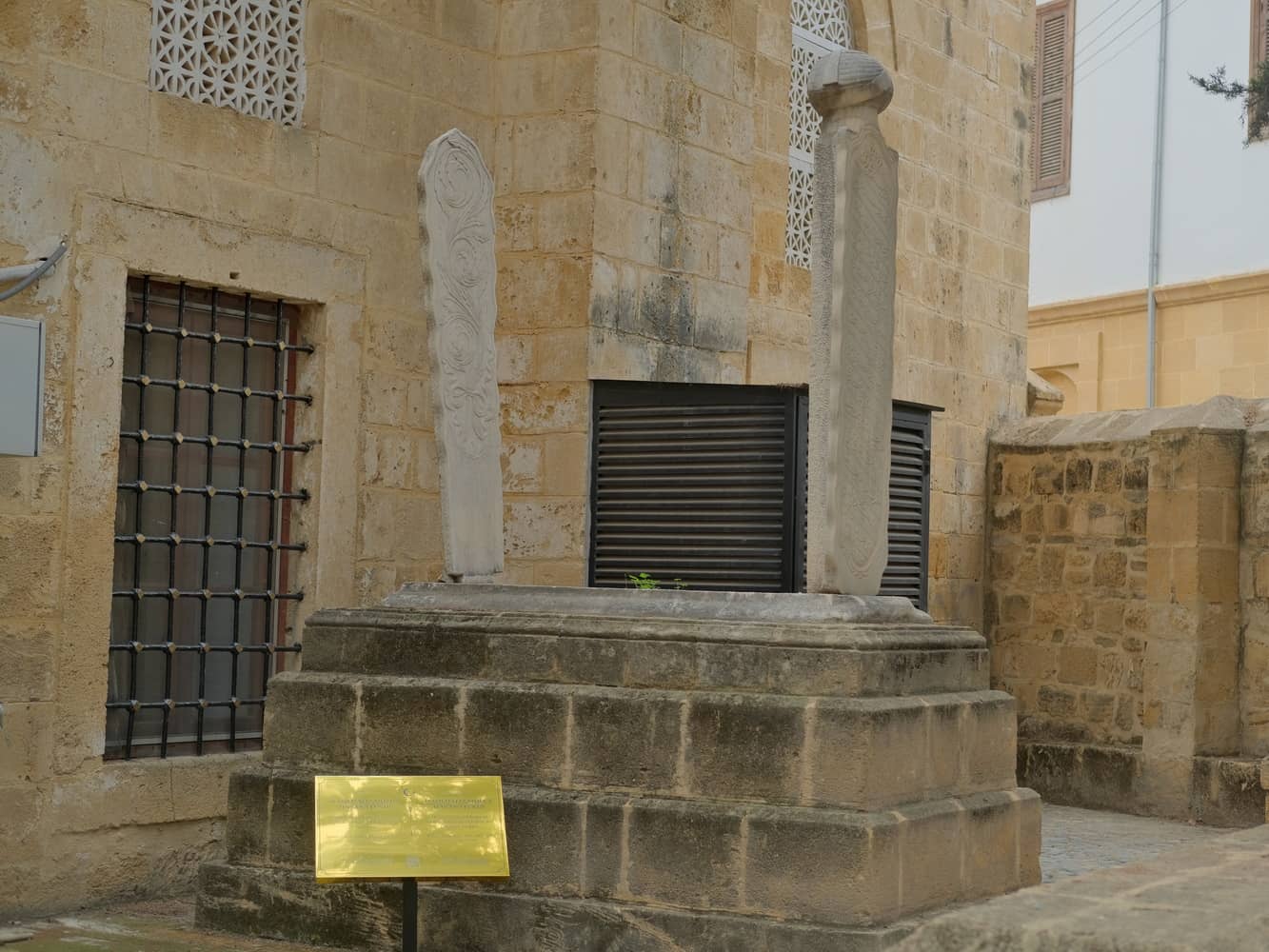
Qadi Hafiz Molla Hasan Efendi |
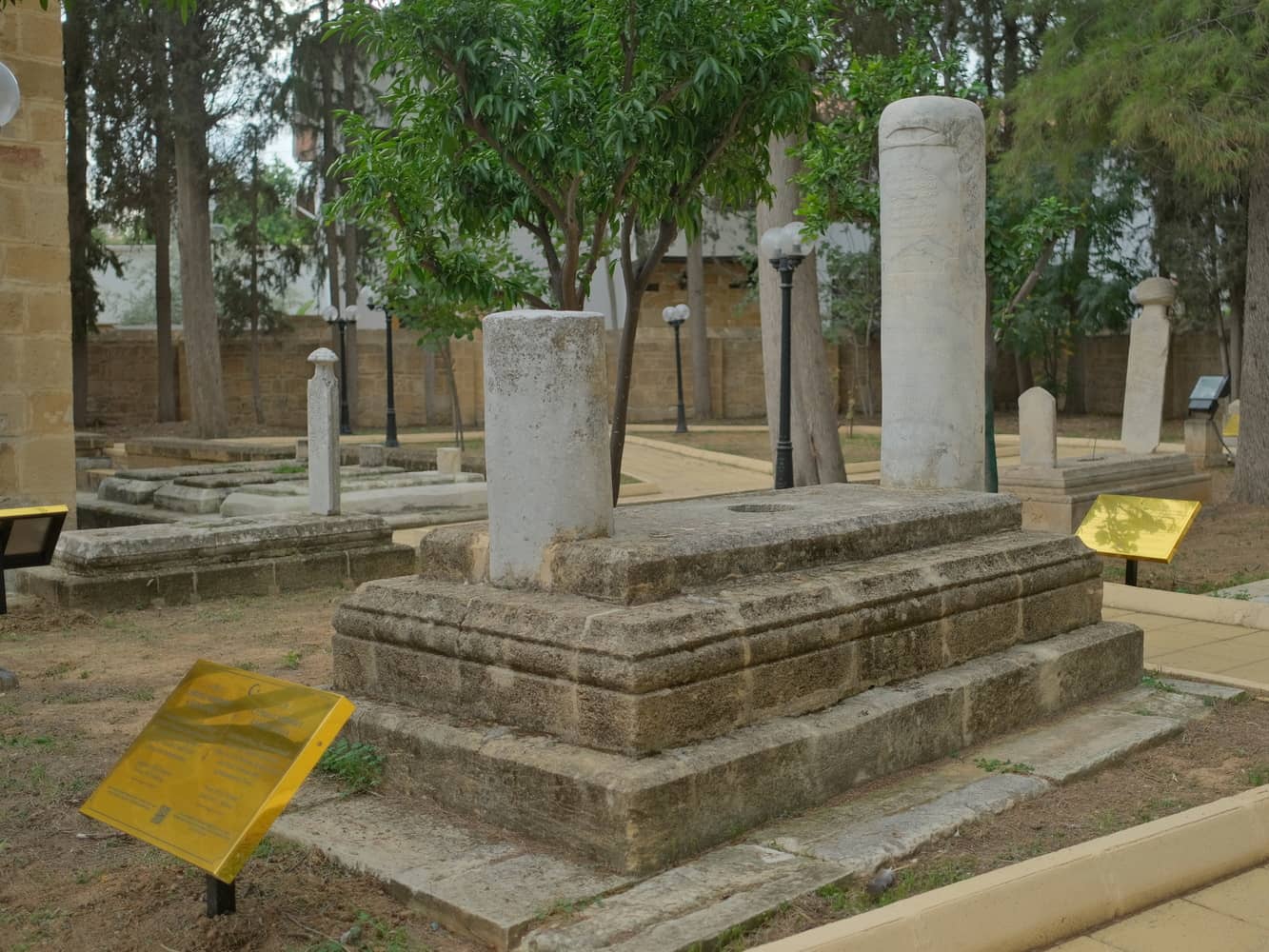
Mehmet Kamil Pasha |
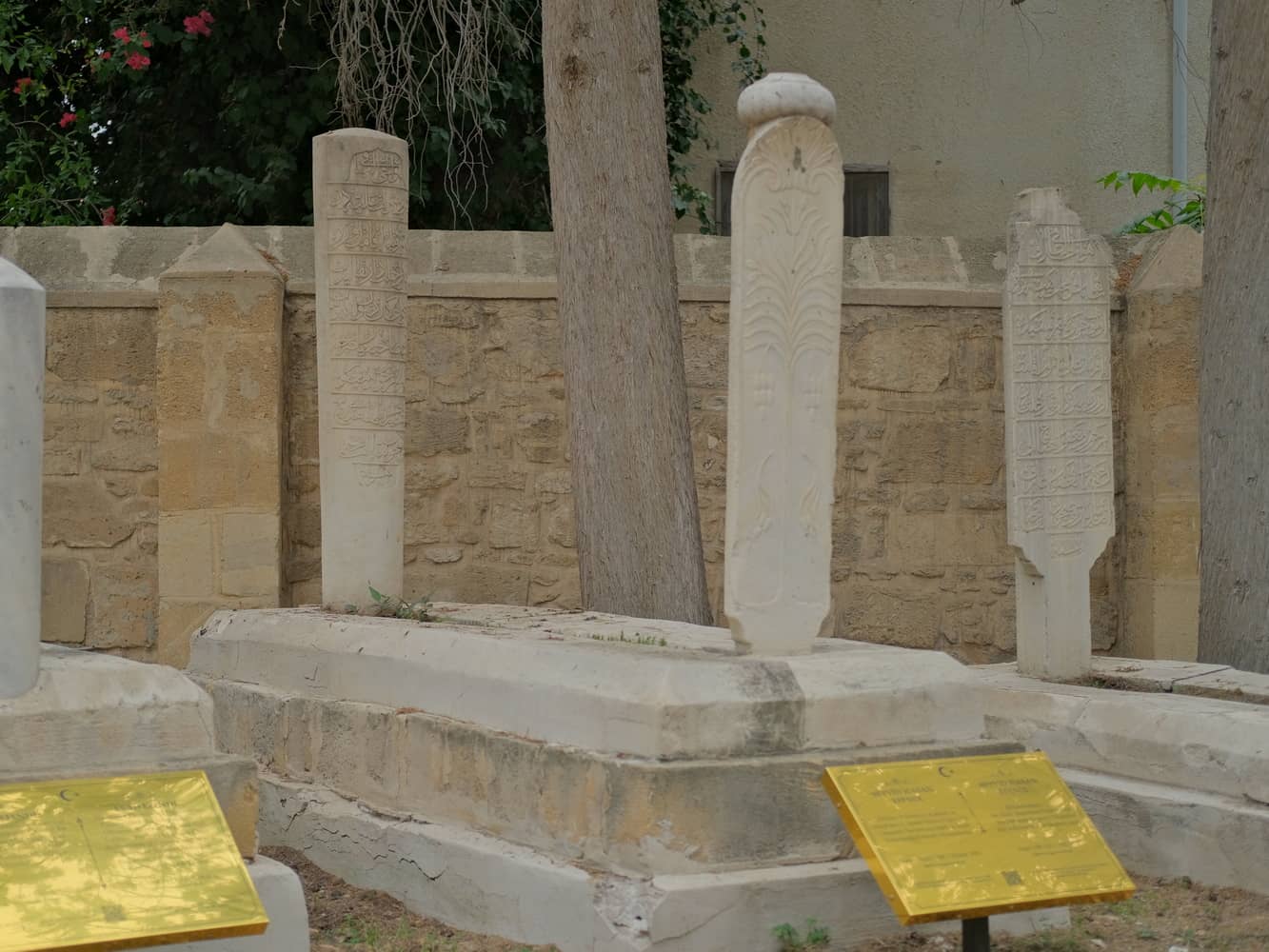
Seyyid Hasan Efendi |
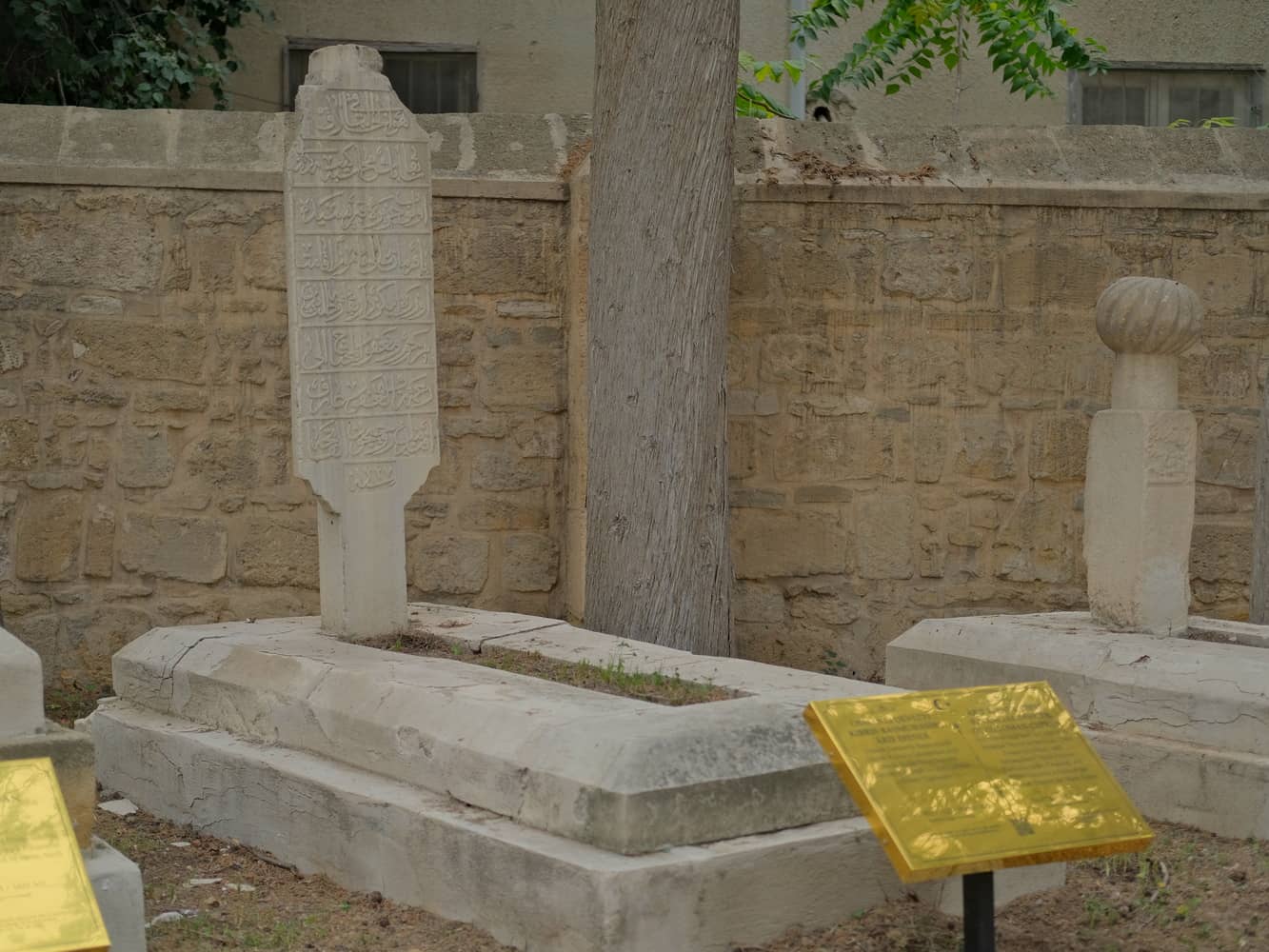
Arif Efendi |
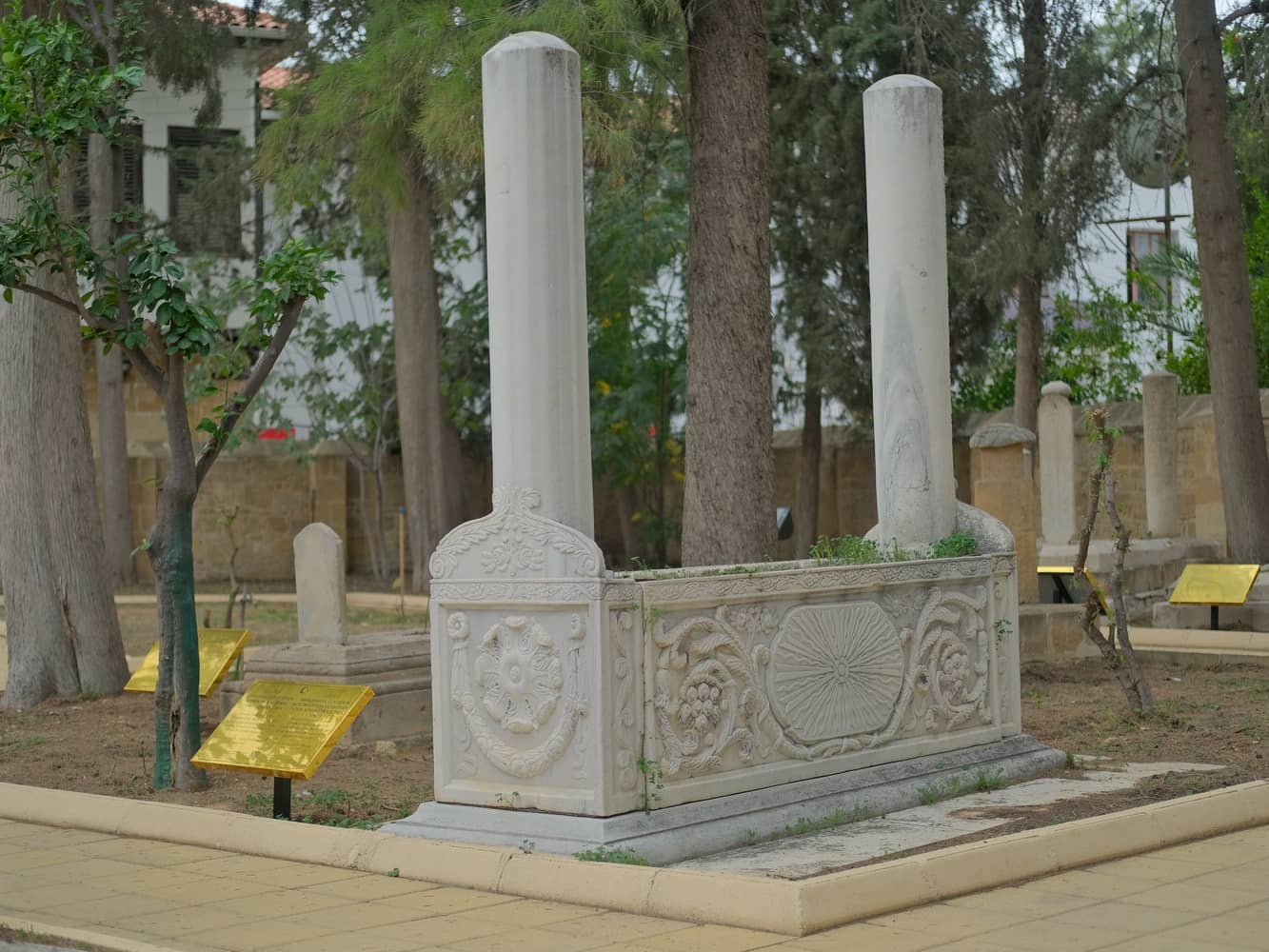
Ishak Pasha |
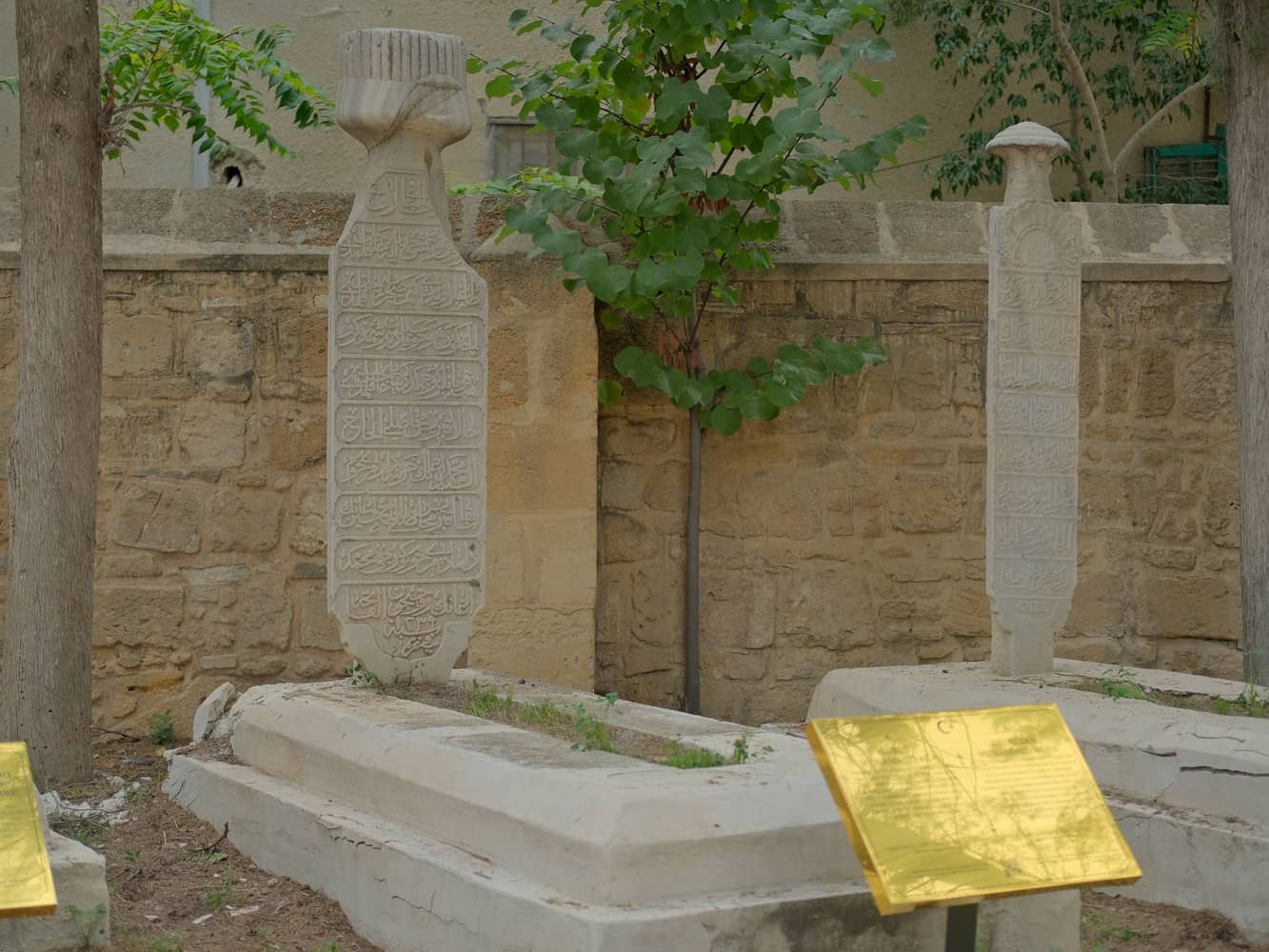
Georgian Muhammad Agha |
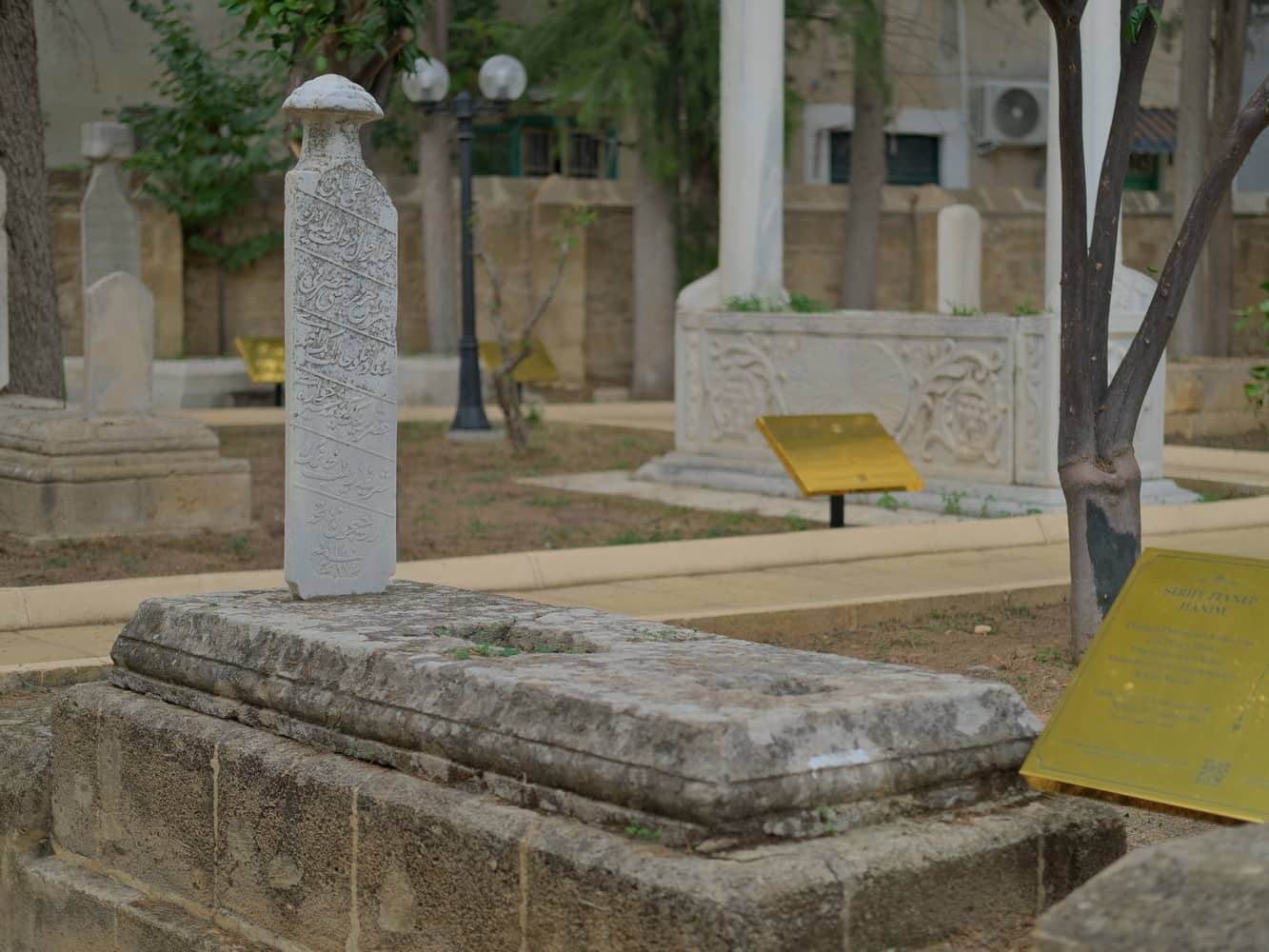
Sherife Zeynep Hanım |
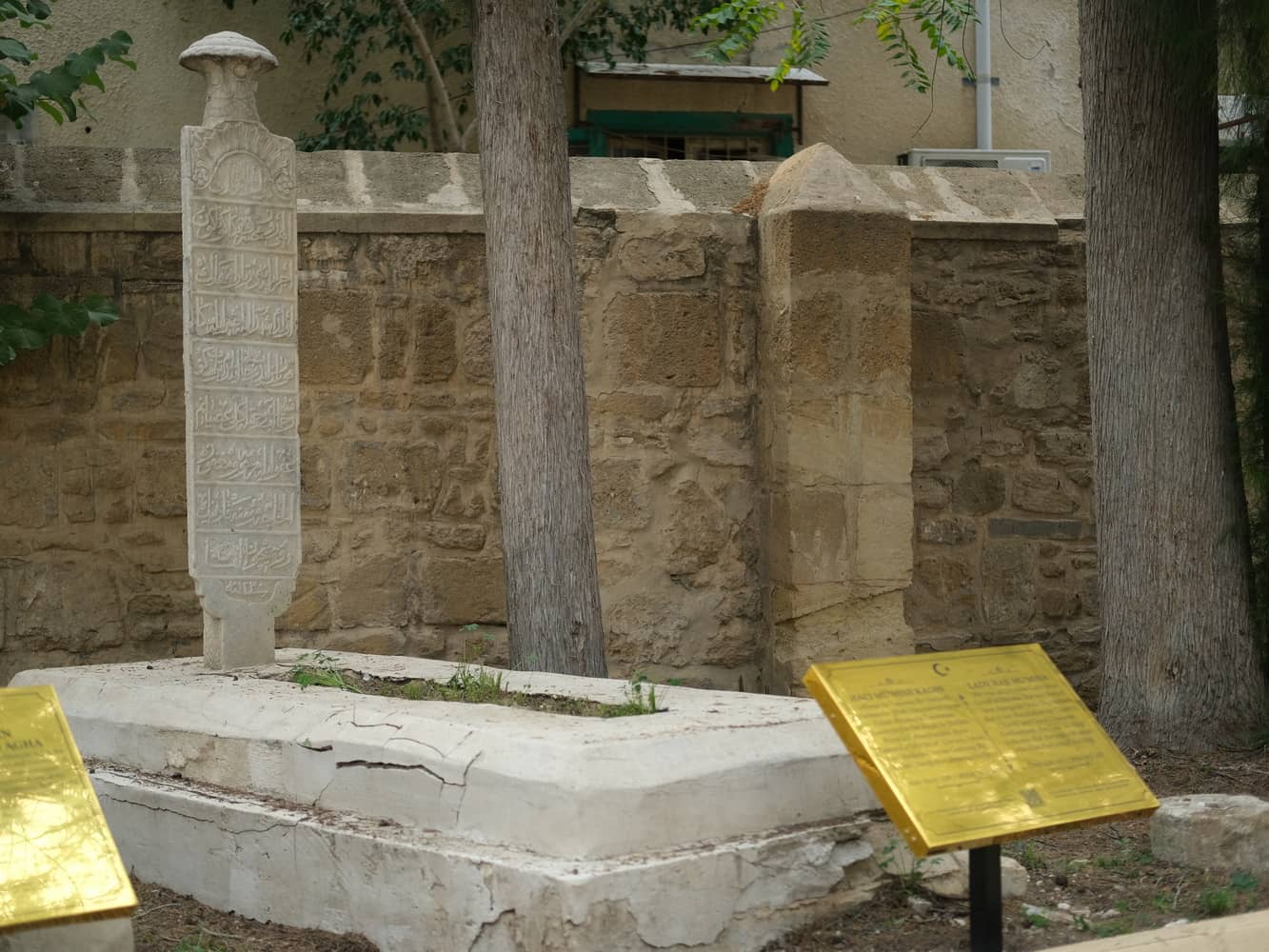
Haji Mumine Hanım |
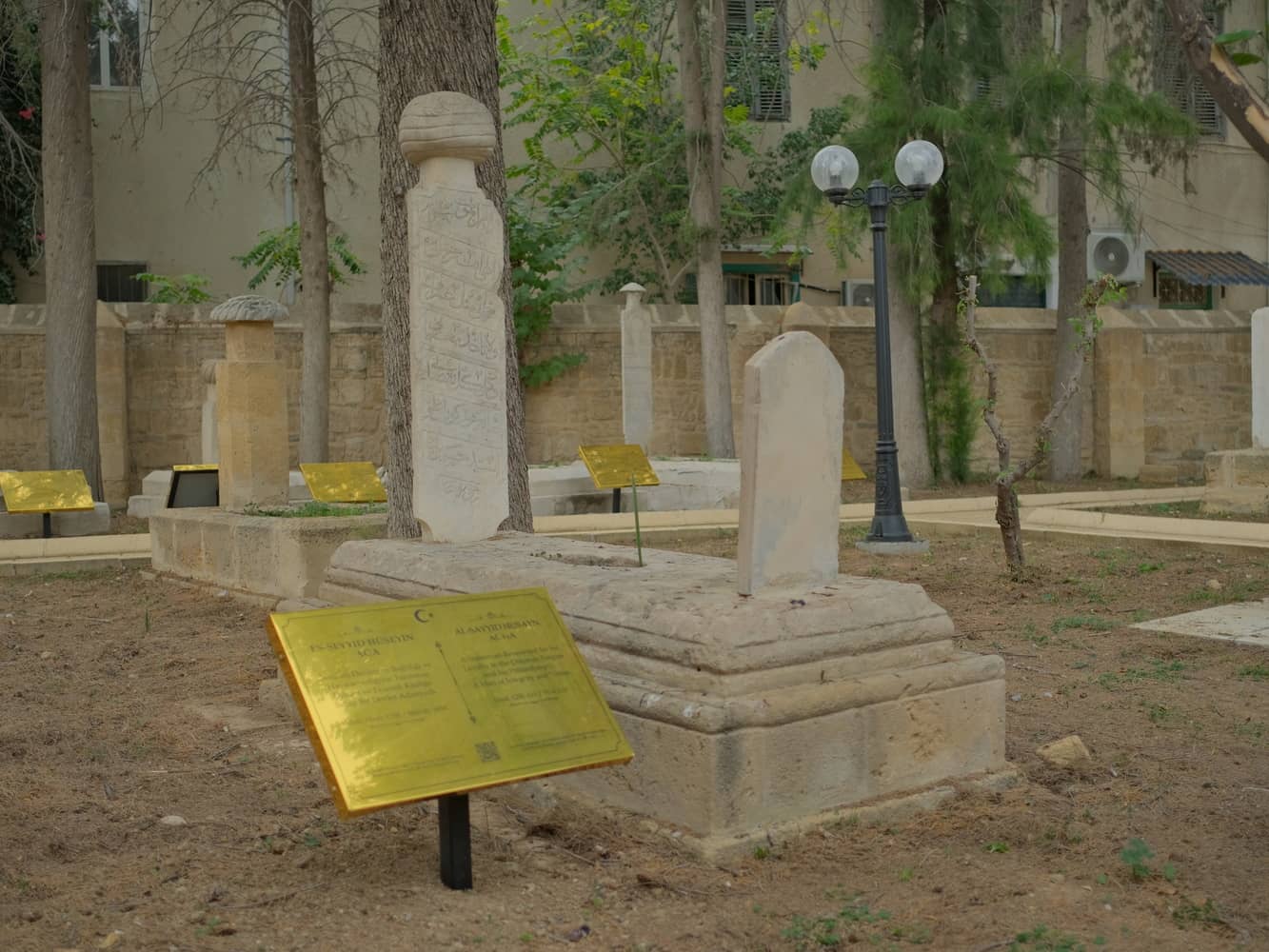
Es-Seyyid Hüseyin Agha |
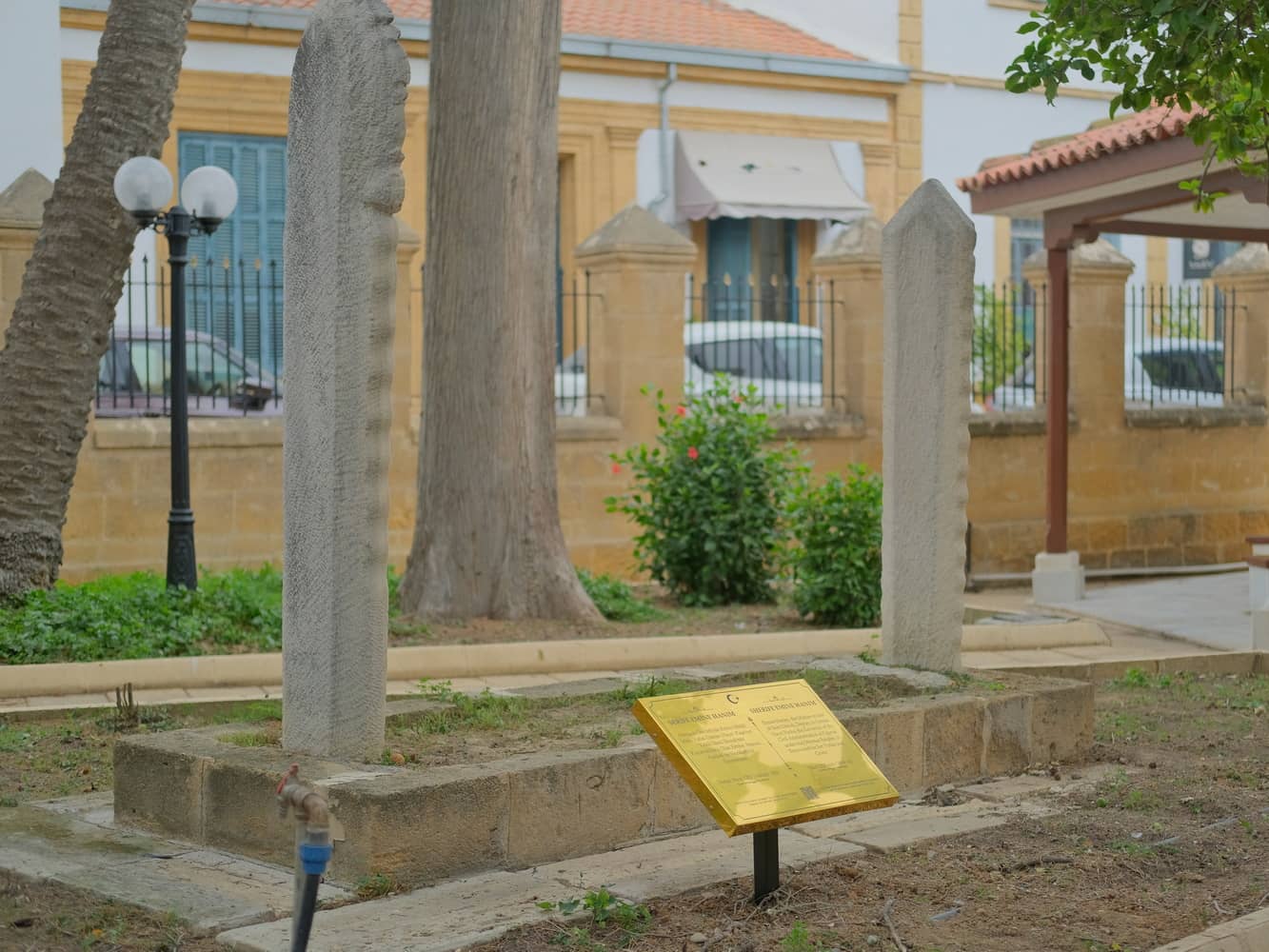
Sherife Emine Hanım |
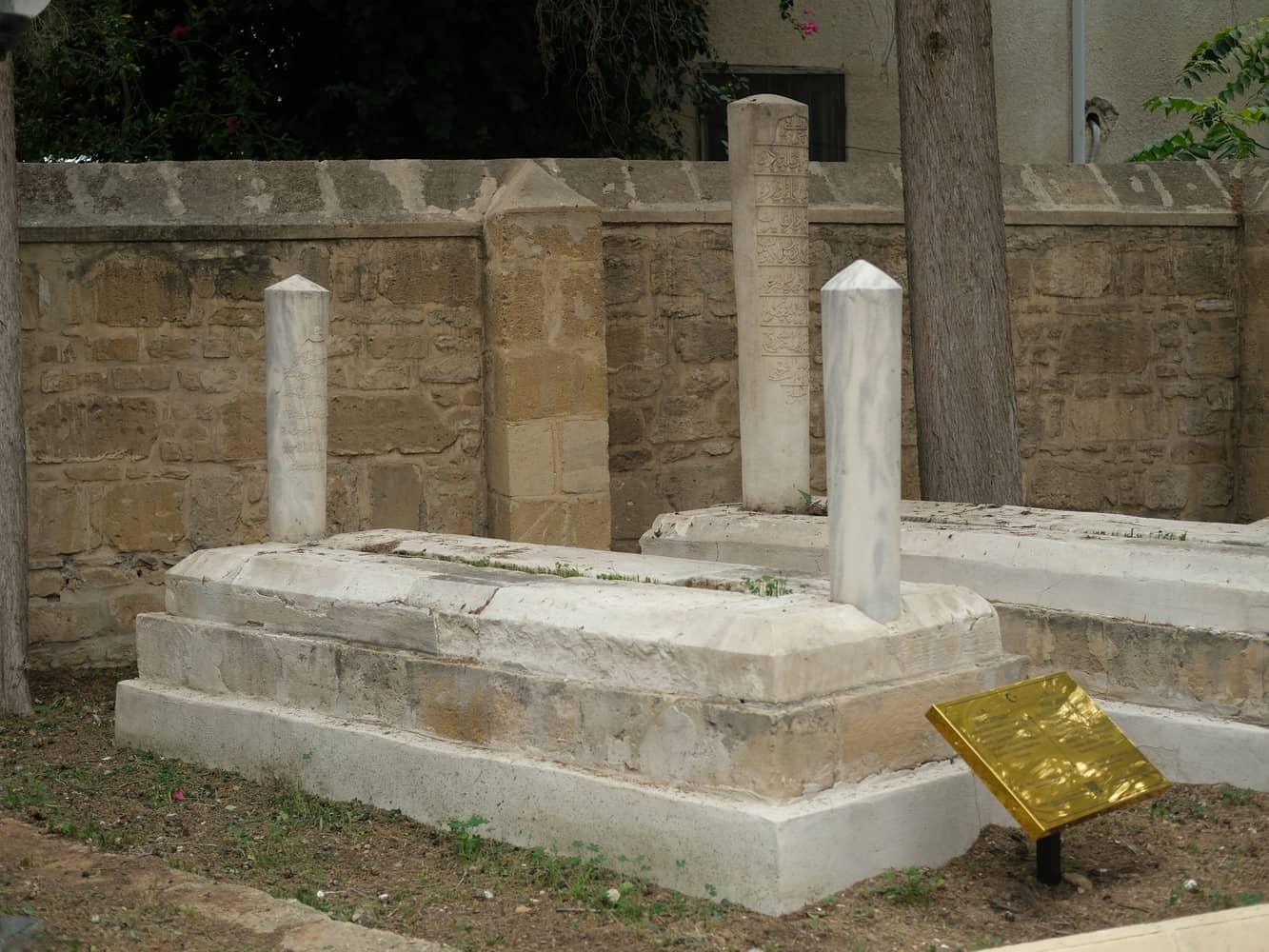
Assad Effendi |
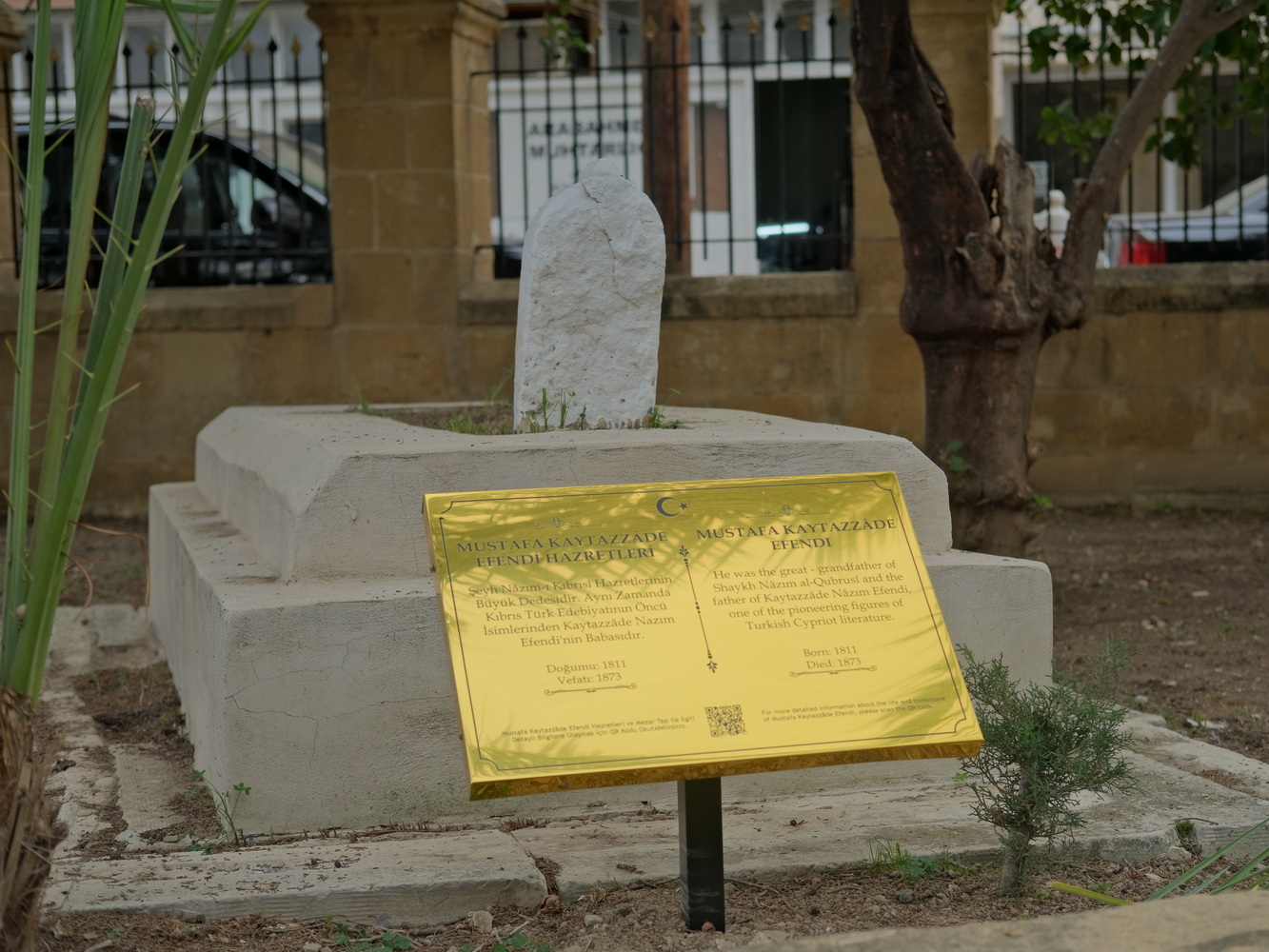
Mustafa Kaytazzâde Efendi Hazretleri |
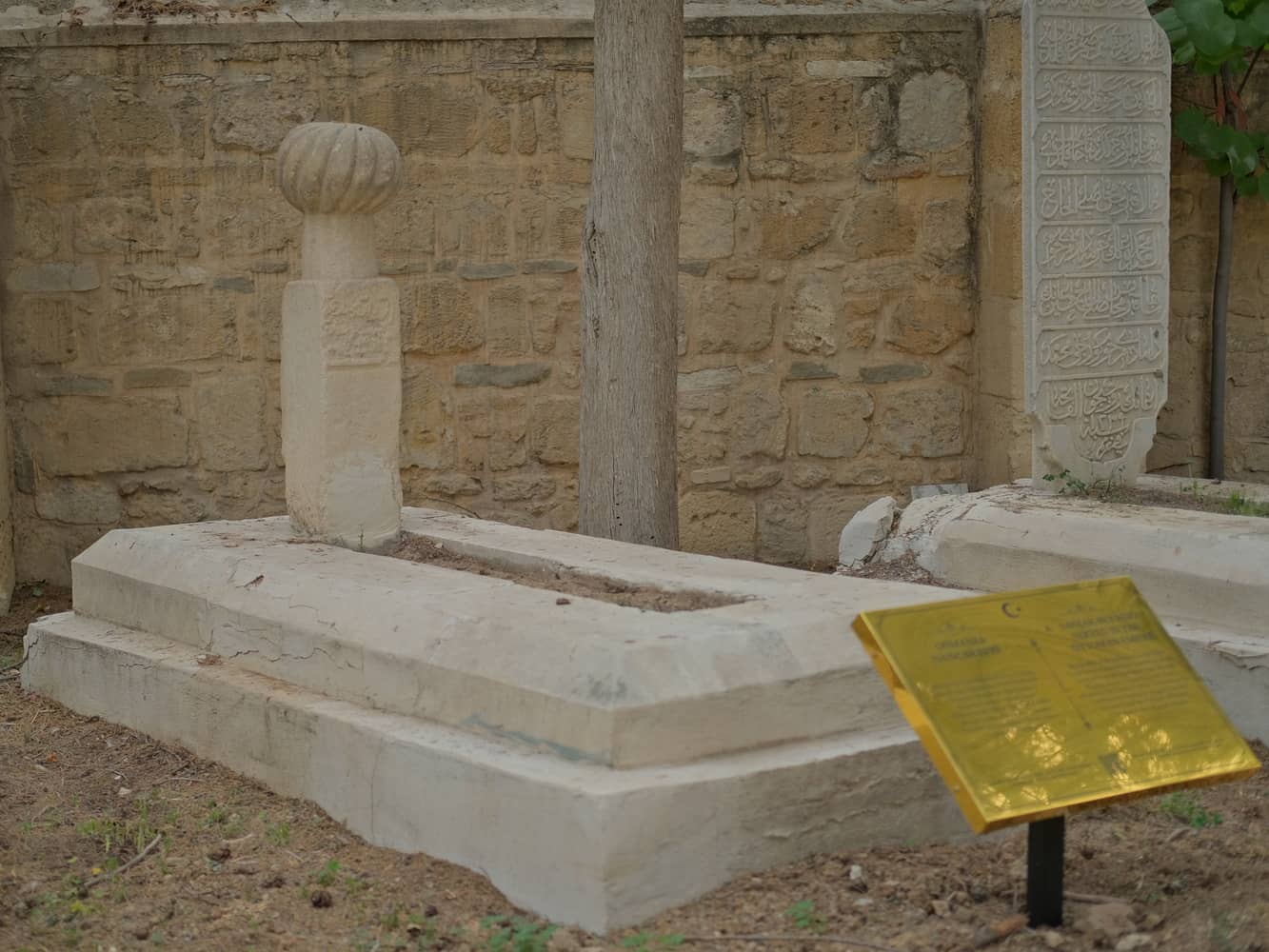
A Sanjak-Bey Who Served In The Ottoman Empire |
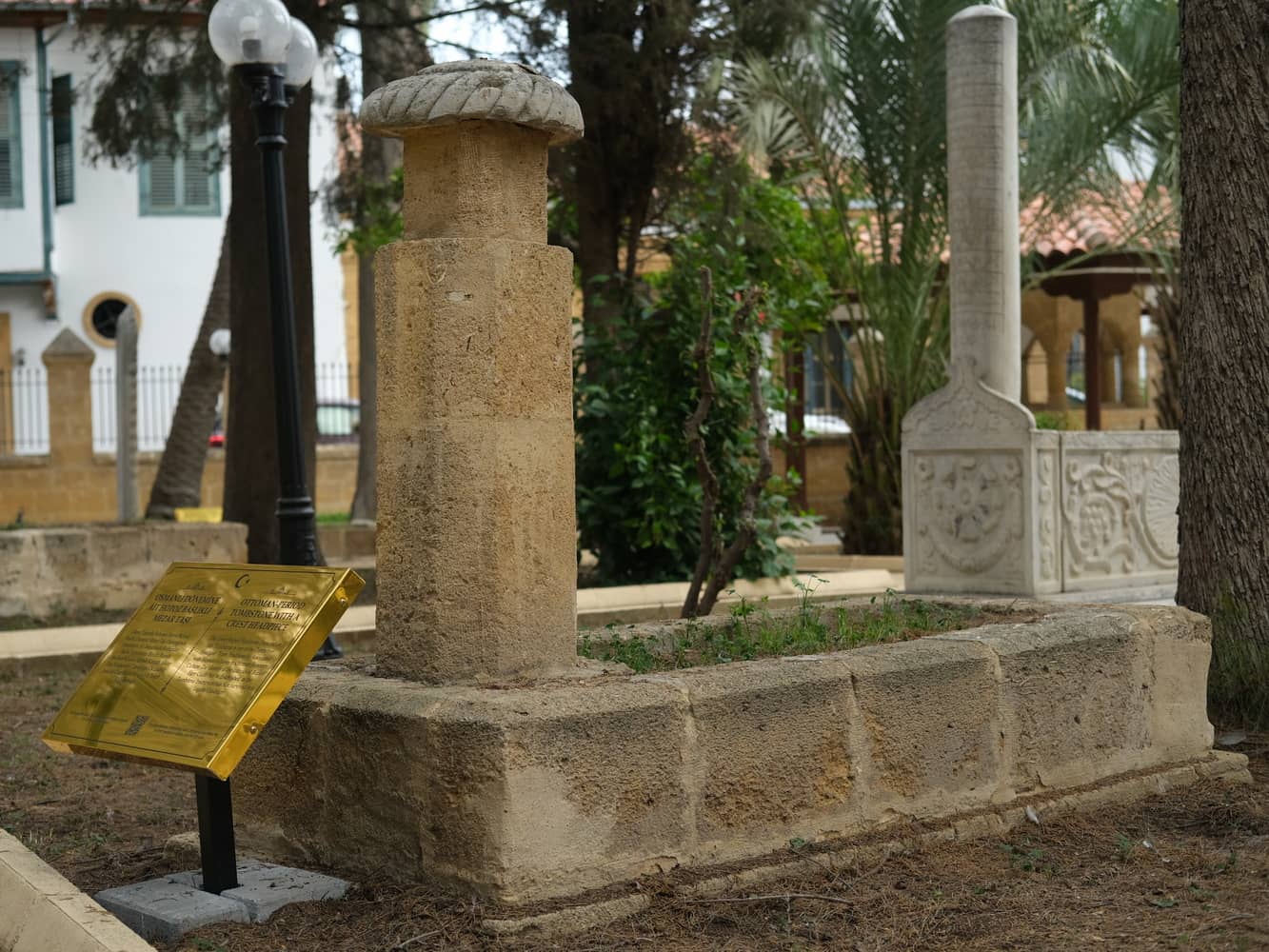
The Grave Of A Woman With a "Hotoz" Headdress Who Lived During The Ottoman Period |