The Grave Of A Woman With a "Hotoz" Headdress Who Lived During The Ottoman Period
THE GRAVE OF A WOMAN WITH A ‘HOTOZ’ HEADDRESS WHO LIVED DURING THE OTTOMAN PERIOD
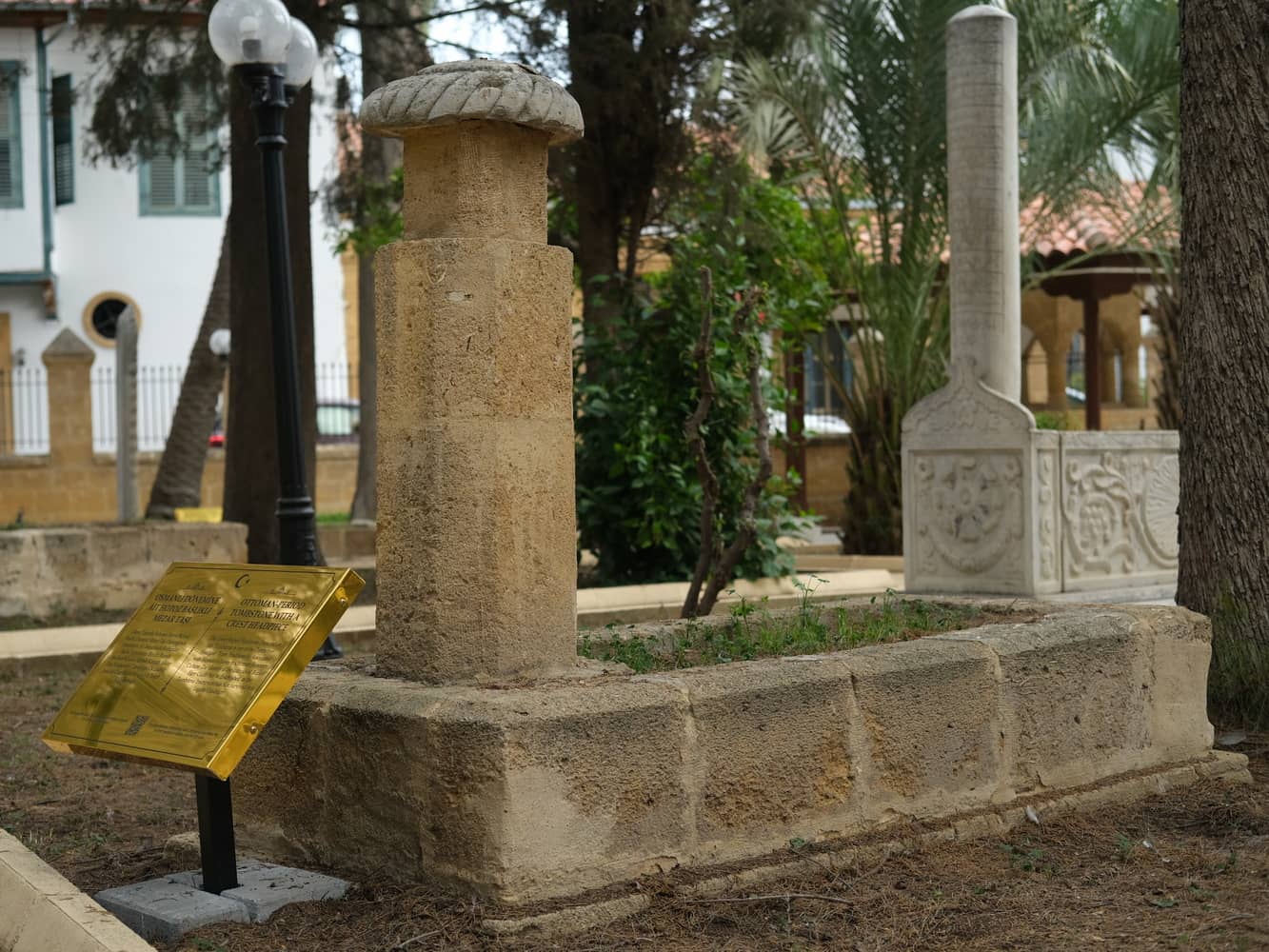
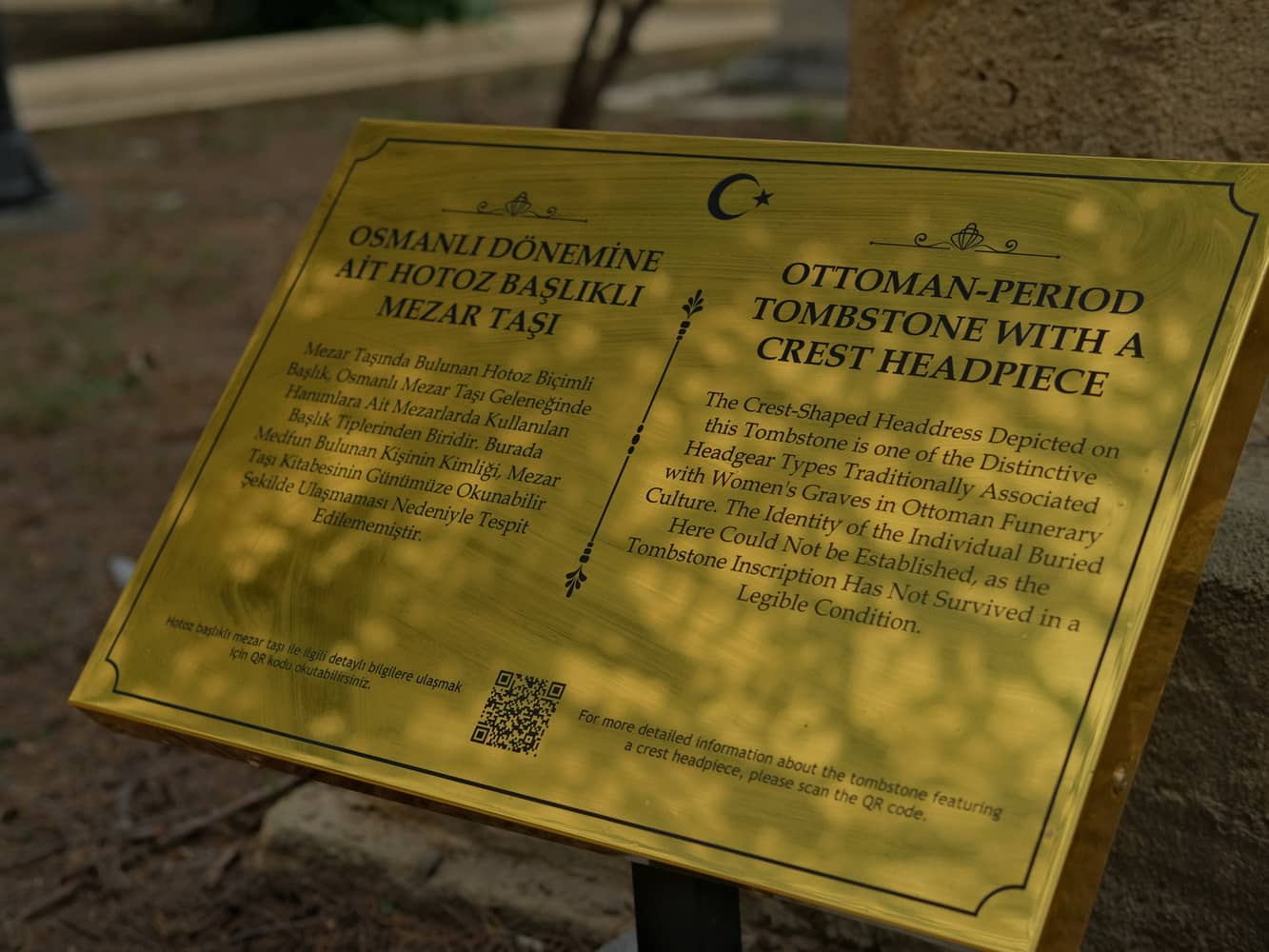
The ‘hotoz’-shaped headdress depicted on the gravestone is one of the types of headdresses traditionally used on women’s graves in the Ottoman tradition. The identity of the person buried here could not be determined as the inscription on the gravestone is no longer legible.
THE TOMB OF A WOMAN KNOWN AS ‘HOTOZ’ WHO LIVED DURING THE OTTOMAN PERIOD
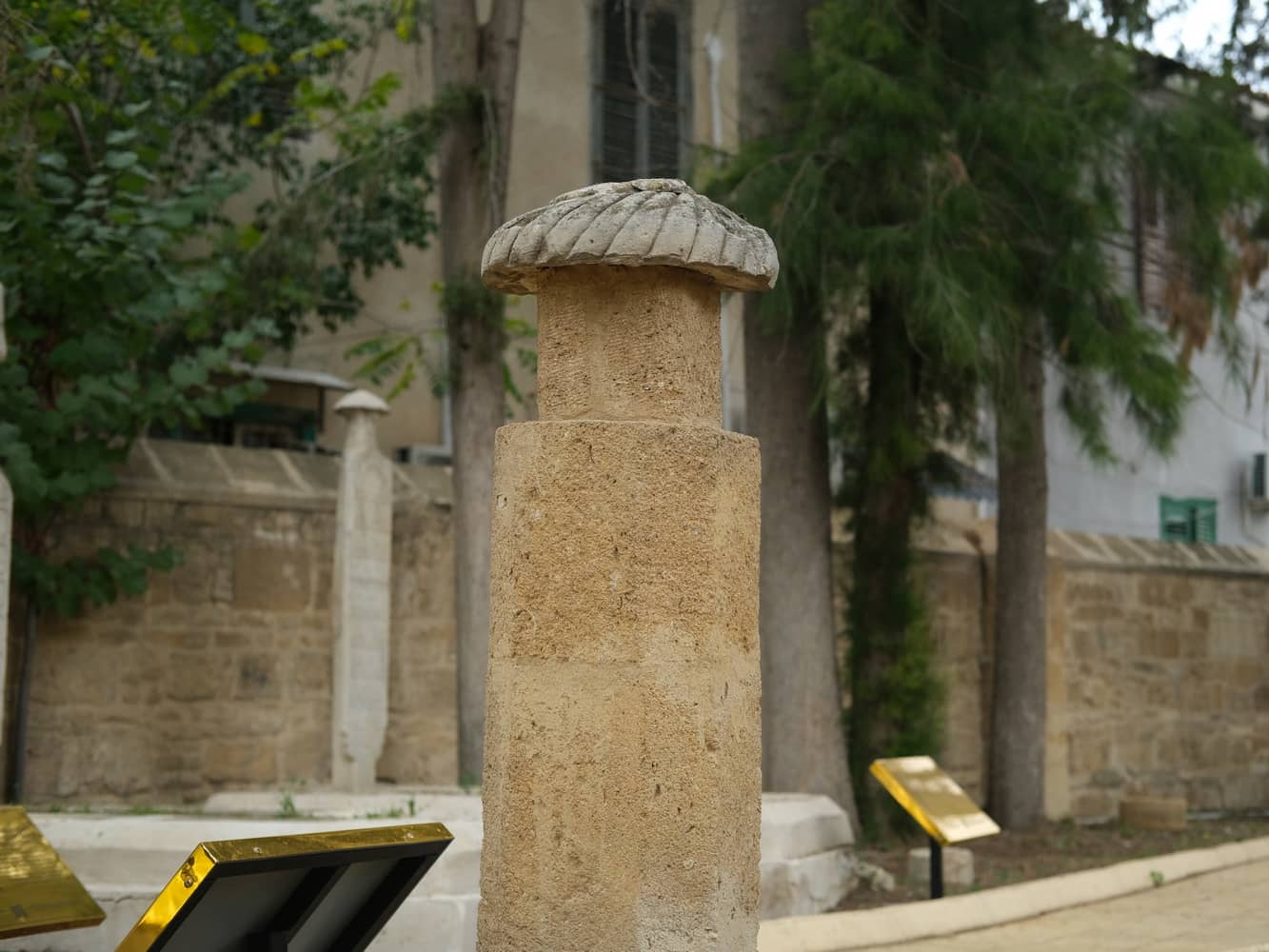
The identity of the person buried here cannot be definitively established, as the inscription on the gravestone has not survived in a legible condition. However, the broad, flat and lobed form visible on the cap of the gravestone displays the characteristics of the ‘hotoz’ headdress type, which is associated with women’s graves in the Ottoman gravestone tradition.
The ‘hotoz’ is one of the striking elements of Ottoman-period women’s clothing and headdress culture. The symbolic representation on gravestones of the headdresses and decorative elements used by women in daily life is among the characteristic features of Ottoman gravestone art. For this reason, the headdresses on women’s gravestones can be regarded not merely as decorative elements, but also as visual documents reflecting the period’s clothing and material culture.
The headdress on this gravestone is notable for its broad circular shape and the segmented curves extending outwards from the centre across its surface. These formal characteristics evoke a stylised depiction on stone of an actual fabric headdress. Whilst the headdress is distinctly and meticulously carved, the body of the gravestone is now rather plain and weathered, making it difficult to identify any written information that might reveal the identity of the interred person.