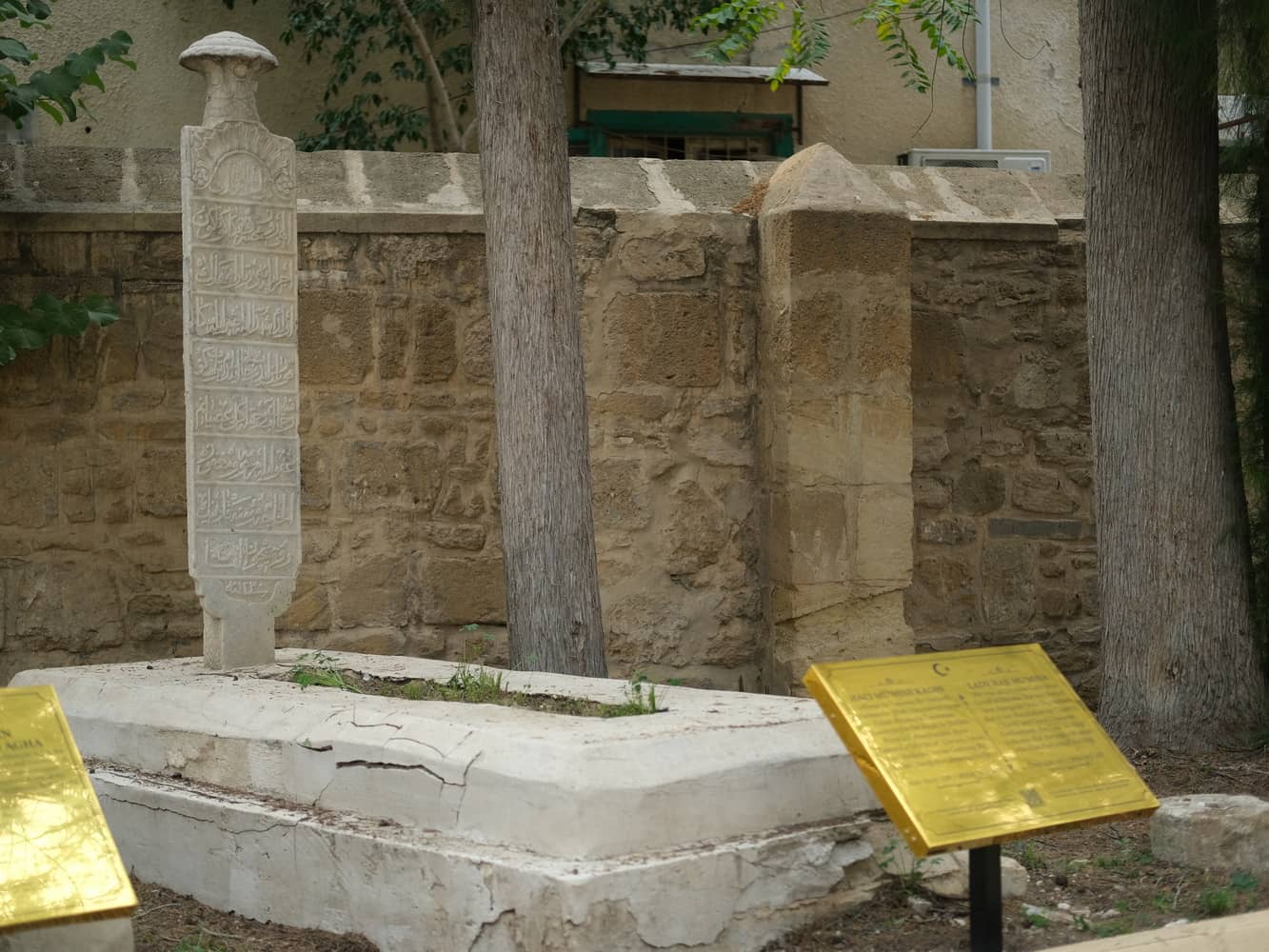
Haji Mumine Hanım
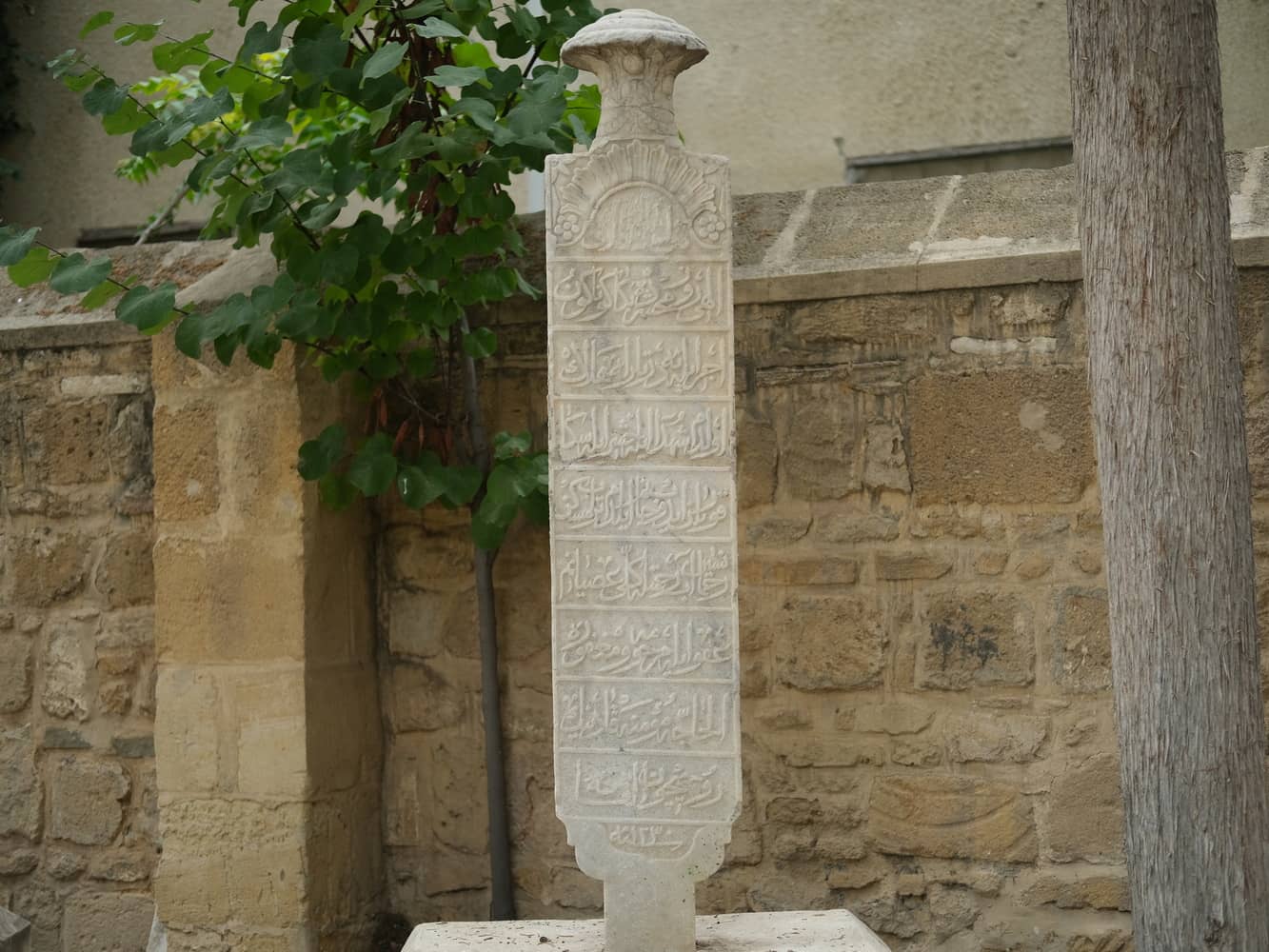
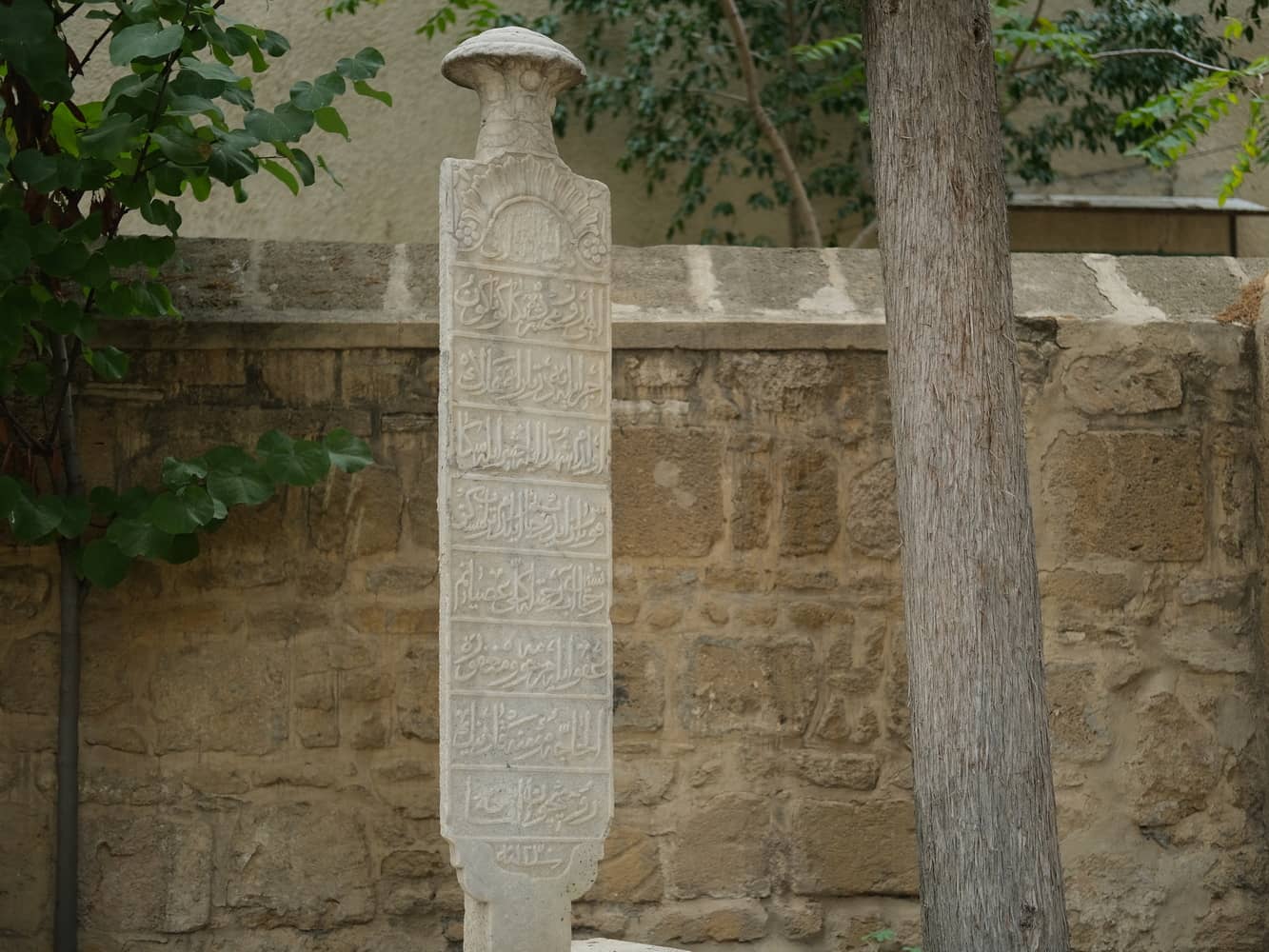
Allah alone is the Eternal Creator. O Allah! Grant me a reward on the Day of Resurrection. For I have departed from this world burdened with many sorrows; gather me together with the martyrs on the Day of Resurrection. I have surrendered my soul to You and have finally made the earth my resting place. O Most Merciful! Forgive all my sins through Your mercy. Recite al-Fātiha for the soul of the late and forgiven Hajj-performing believing woman.
1230 / M. 1814–1815
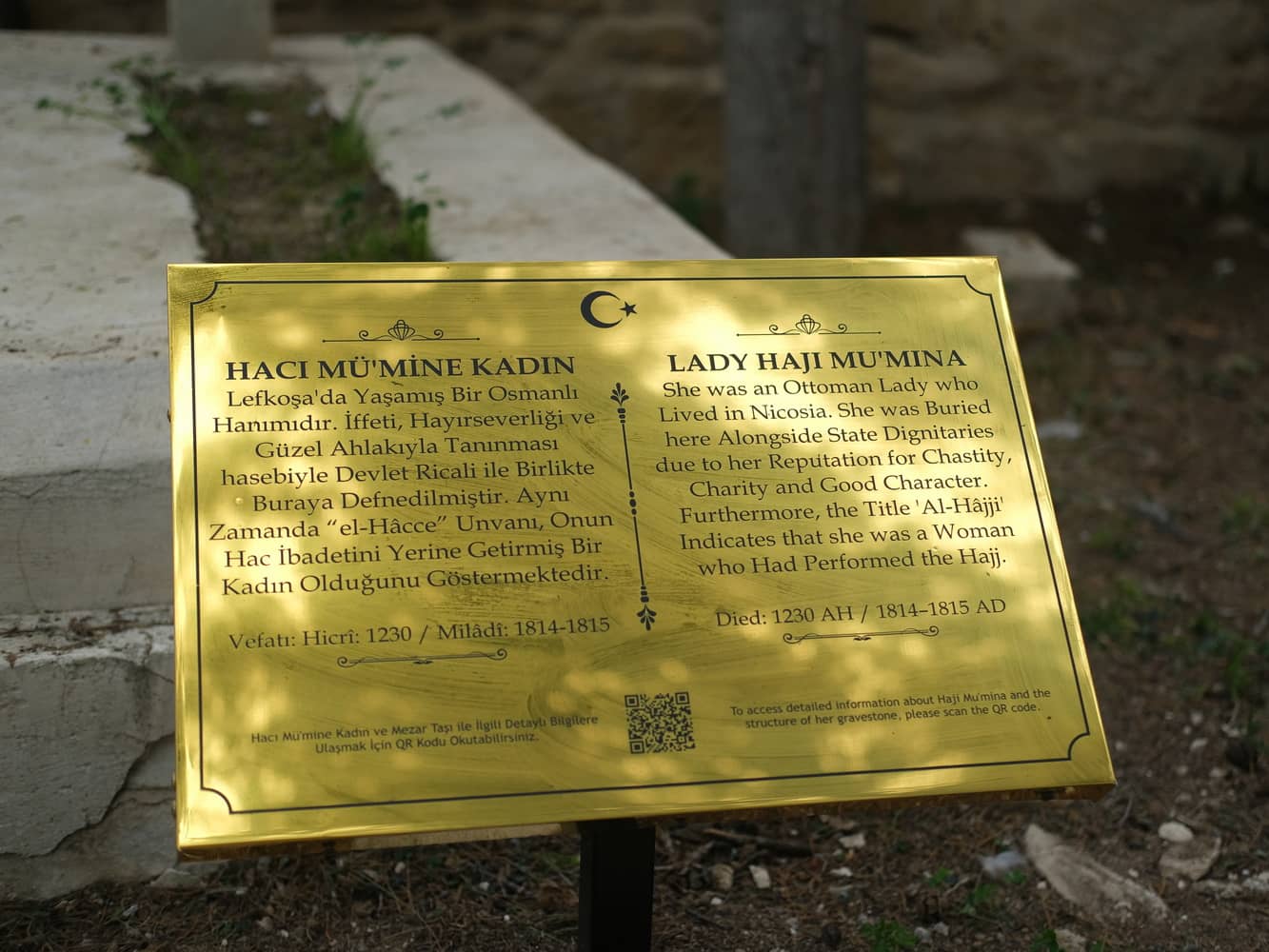
HACI MÜ’MİNE KADIN
An Ottoman Lady Who Lived in Nicosia in the Early 19th Century
1230 / M. 1814–1815
Information regarding the life of Hacı Mü’mine Kadın is limited to the inscription on her gravestone. The inscription provides no information as to which family she belonged to or whether she held any official position. However, the title ‘el-Hâcce’ used indicates that she was a woman who had performed the Hajj pilgrimage. The inscription emphasises Mü’mine Kadın’s spiritual world and her spiritual approach to death rather than any worldly position or family connections. Prayers addressed to Allah for reward on the Day of Judgement, to be gathered with the martyrs, and for the forgiveness of her sins form the central theme of the gravestone. Furthermore, the reference to her having departed from this world ‘amidst many sorrows’ suggests that she endured hardships during the final period of her life. Consequently, the Believing Woman’s tombstone serves as a valuable example demonstrating that the Arab Ahmet cemetery preserves not only the memories of high-ranking state officials but also those of women who were part of the religious and social life of the period.