A Sanjak-Bey Who Served In The Ottoman Empire
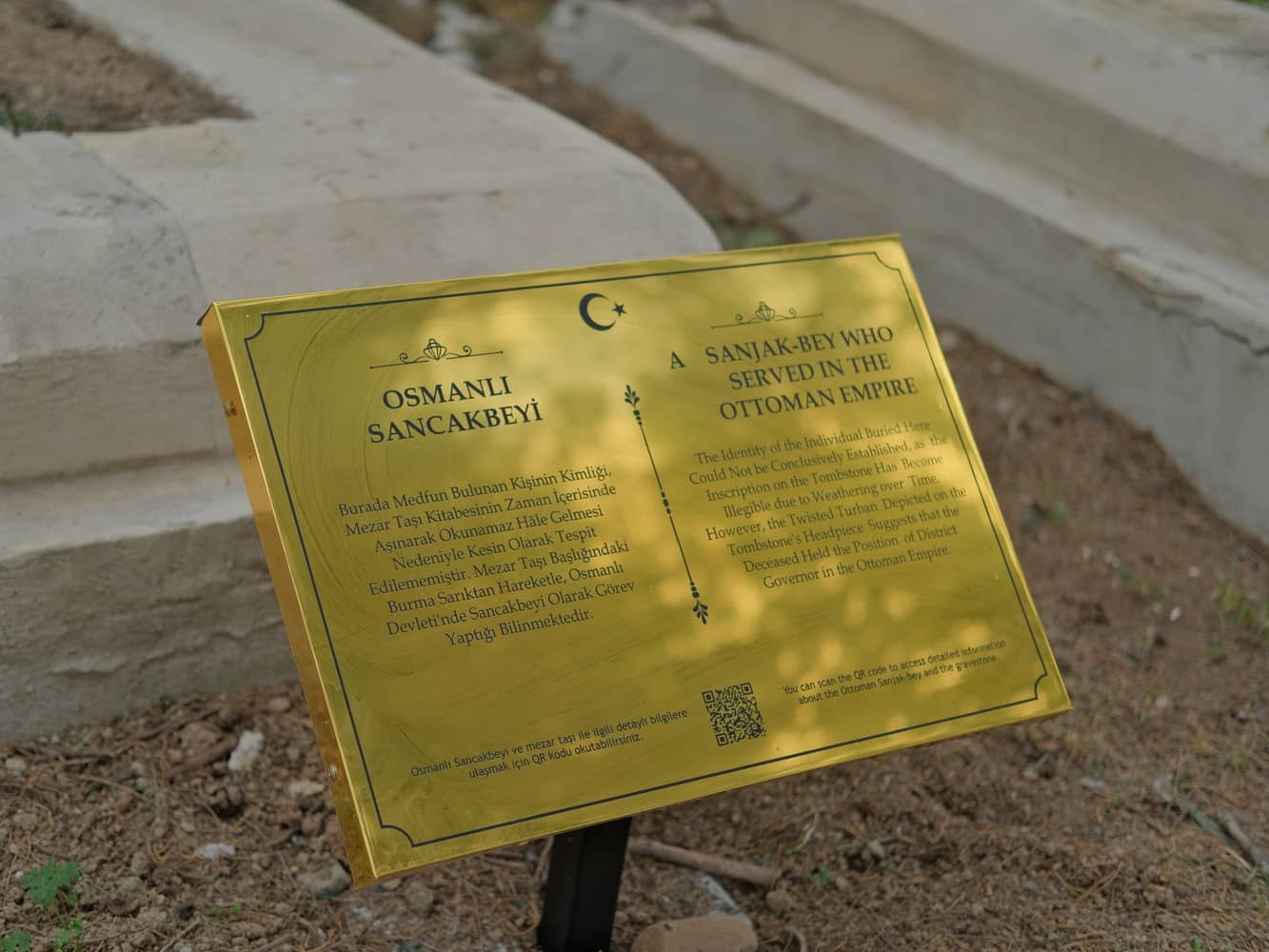
A SANJAK-BEY WHO SERVED IN THE OTTOMAN EMPIRE
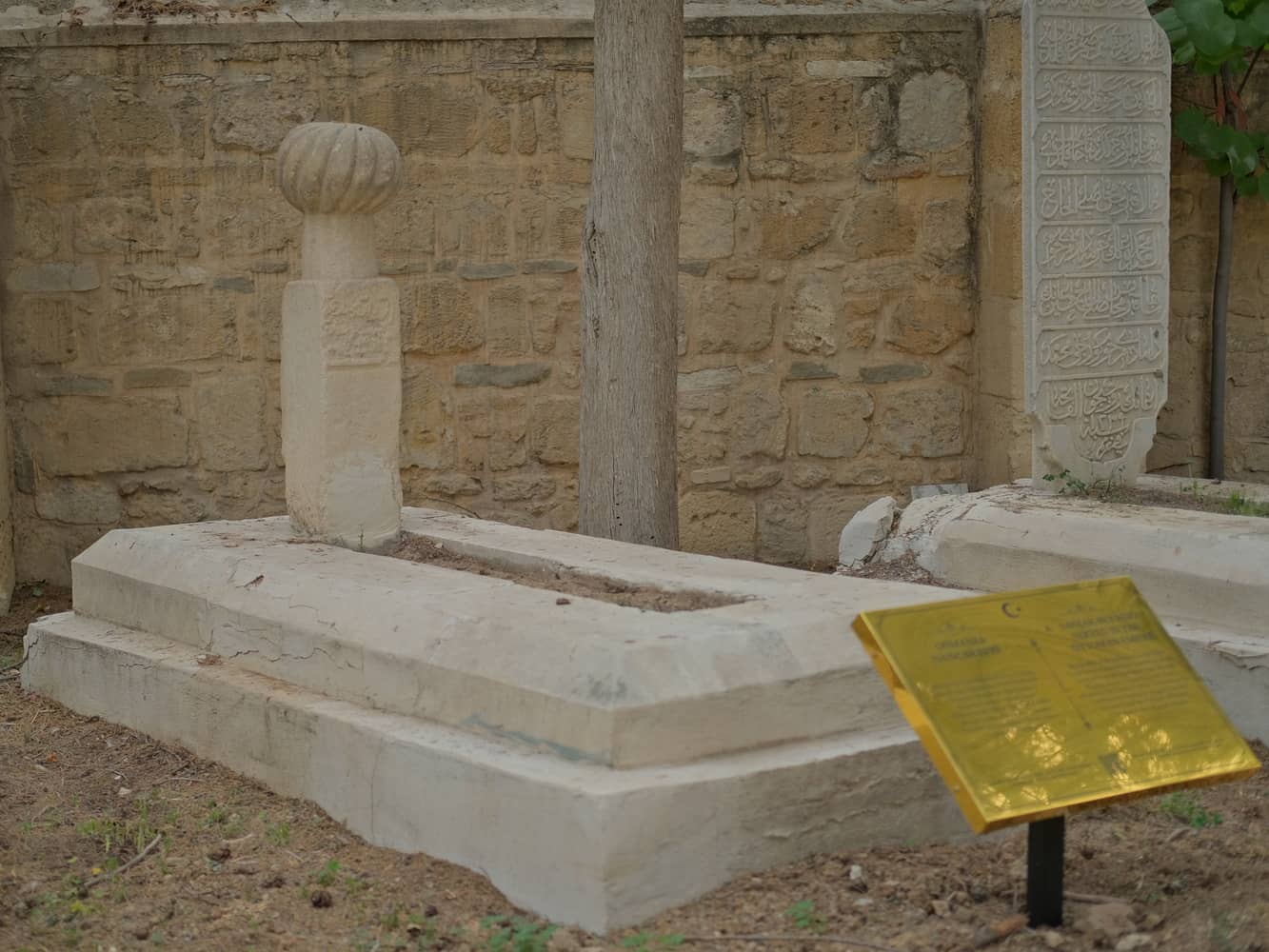
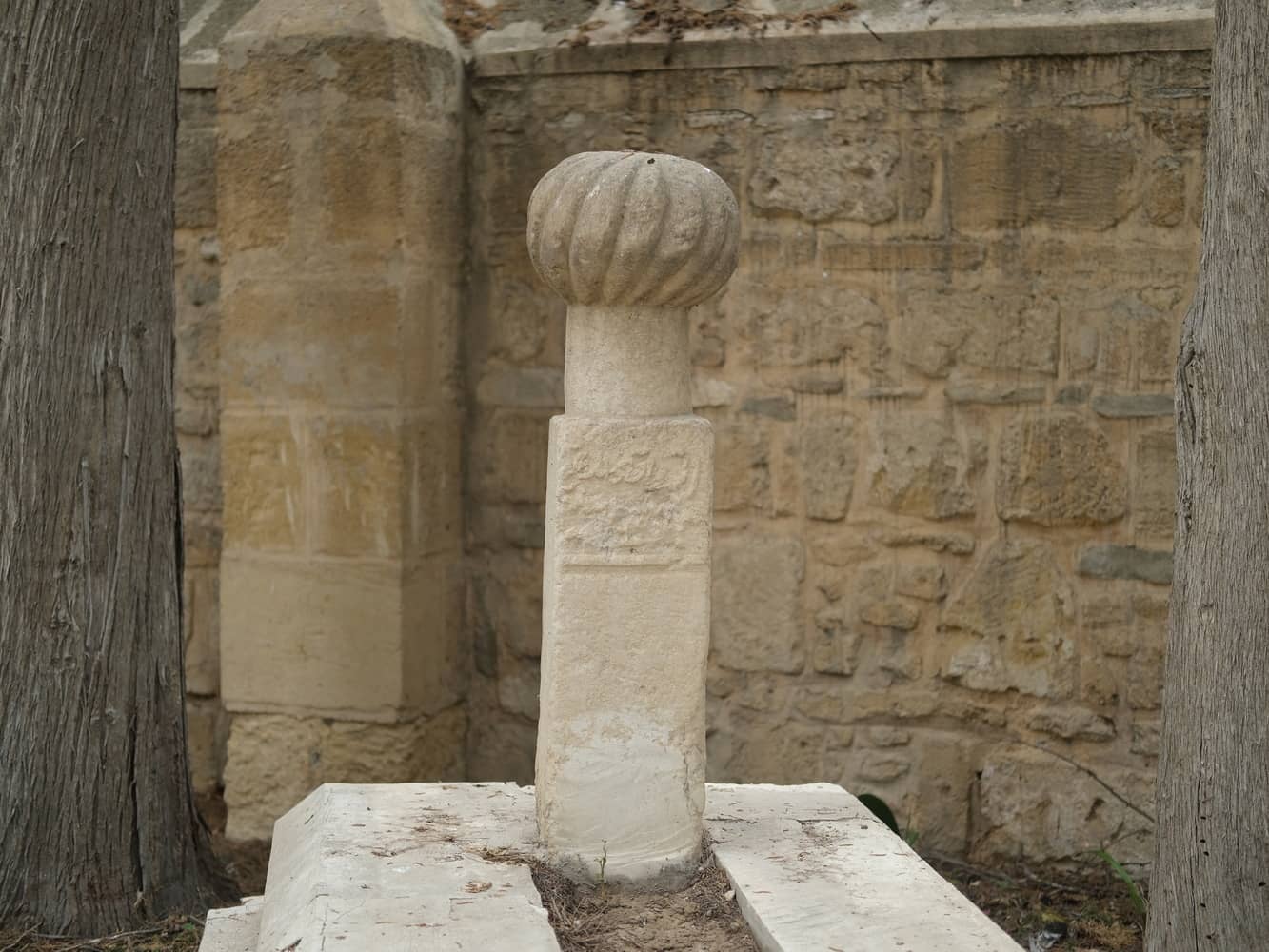
The identity of the person buried here cannot be definitively established, as the inscription on the gravestone has become illegible due to wear and tear over time. Based on the twisted turban depicted on the top of the gravestone, it is known that he served as a sancakbey in the Ottoman Empire.
The identity of the person buried here has not been definitively established, as the inscription on the gravestone has become illegible due to wear and tear over time. However, the twisted turban depicted on the gravestone provides significant clues as to the fact that the deceased held a certain administrative position and enjoyed prestige within Ottoman society.
The shape of the headdress on the gravestone resembles the type of turban with a twisted band worn by high-ranking state and administrative officials during the Ottoman period. Such headdresses are seen on the gravestones of viziers, sanjak-beys, beylerbeys, defterdars and various other high-ranking state officials. Although it is not possible to draw a definitive conclusion regarding the position of the person buried here until the inscription has been definitively deciphered, the headdress design indicates an Ottoman official of high administrative or financial standing.
In the Ottoman gravestone tradition, examples of ‘burma sarıklı’ headdresses are associated with viziers, sanjak-beys, beylerbeys and other high-ranking state officials. Beylerbeys were among the highest-ranking administrators of the provinces, whilst sanjakbeys were the highest-ranking administrators of the sanjaks. It is therefore assessed that the individual buried here may have been a high-ranking state official who served within the Ottoman administrative or financial organisation. However, as the inscription on the gravestone has not been definitively deciphered, it is not possible to draw a definitive conclusion regarding the person’s name, title and position.