Mehmet Kamil Pasha
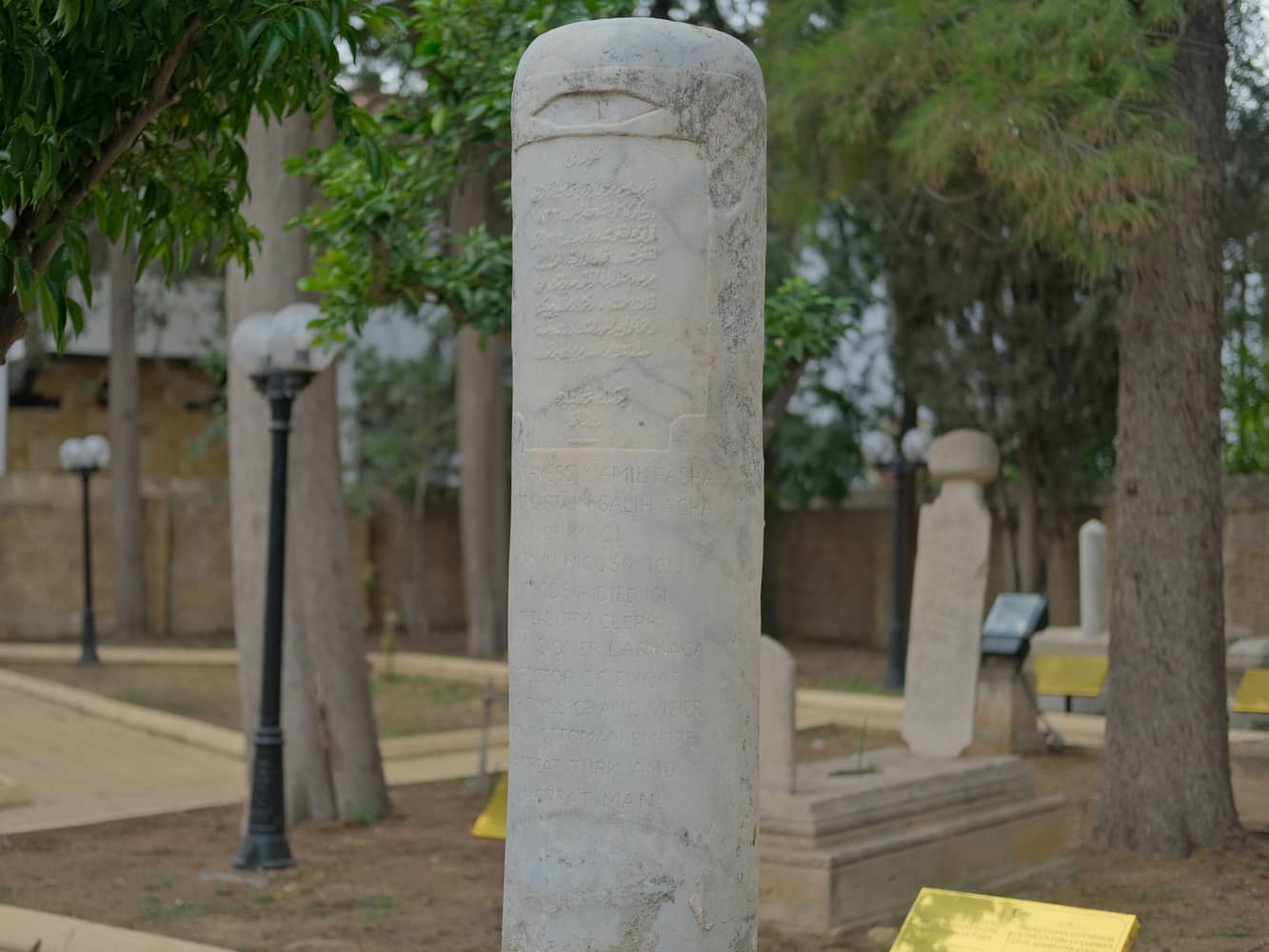
Kâmil Pasha, son of Captain Salih Ağa from the village of Piroyi (Gaziler) in Cyprus, was born in Nicosia in 1833. He passed away in Nicosia in 1913 and departed for the hereafter. The late Kâmil Pasha held various administrative posts, including Director of the Endowments Administration, District Governor of Tuzla, and managerial roles in finance and accounting; he also served four times as Grand Vizier (Prime Minister), the highest executive office of the Ottoman Empire. He was a distinguished Turkish statesman who held important positions within the Ottoman state administration. May his soul rest in peace. 1833–1913.
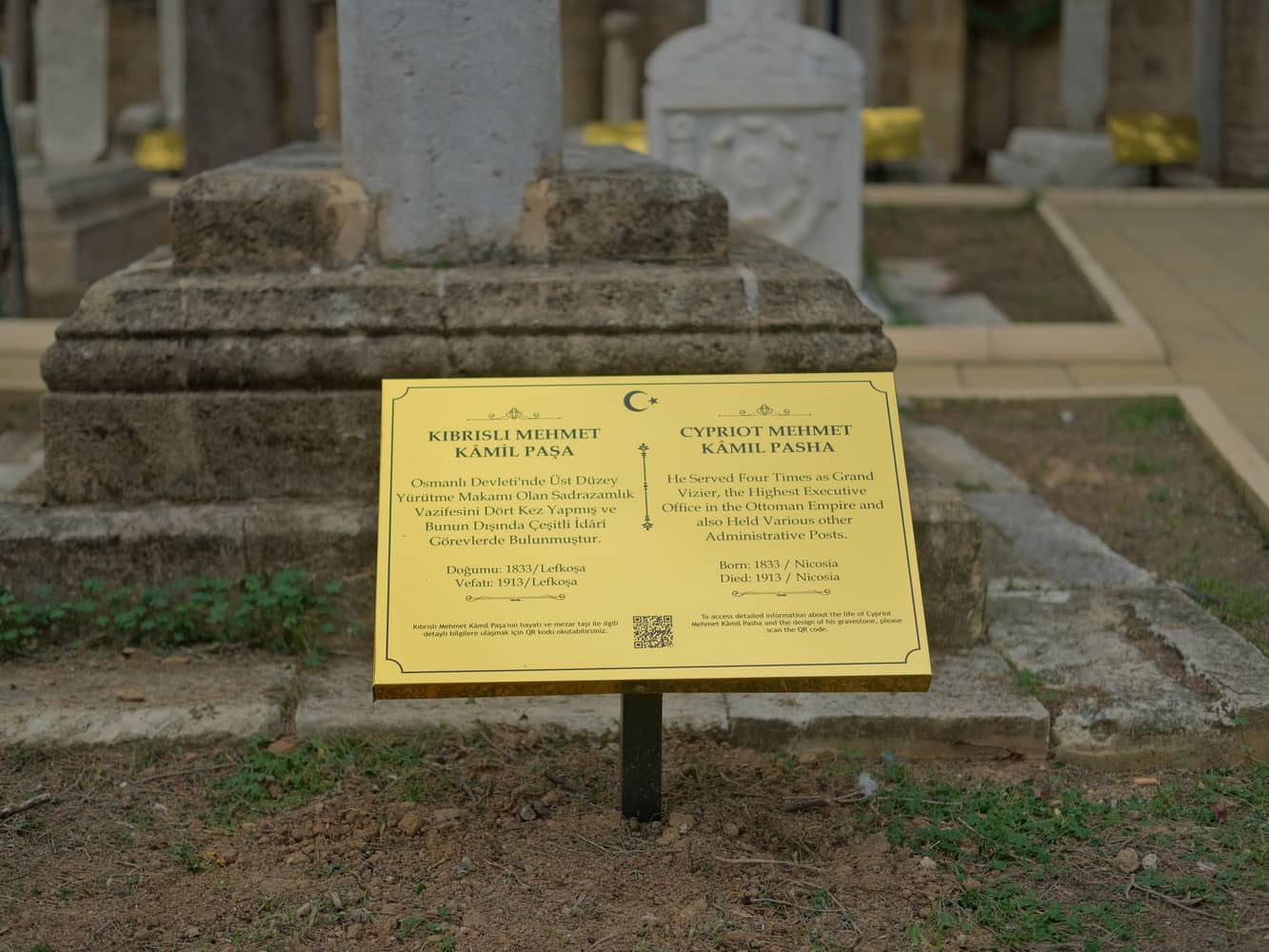
MEHMET KÂMİL PAŞA OF CYPRUS
A Cypriot Statesman Who Served as Grand Vizier Four Times in the Ottoman Empire
1833, Nicosia – 1913, Nicosia
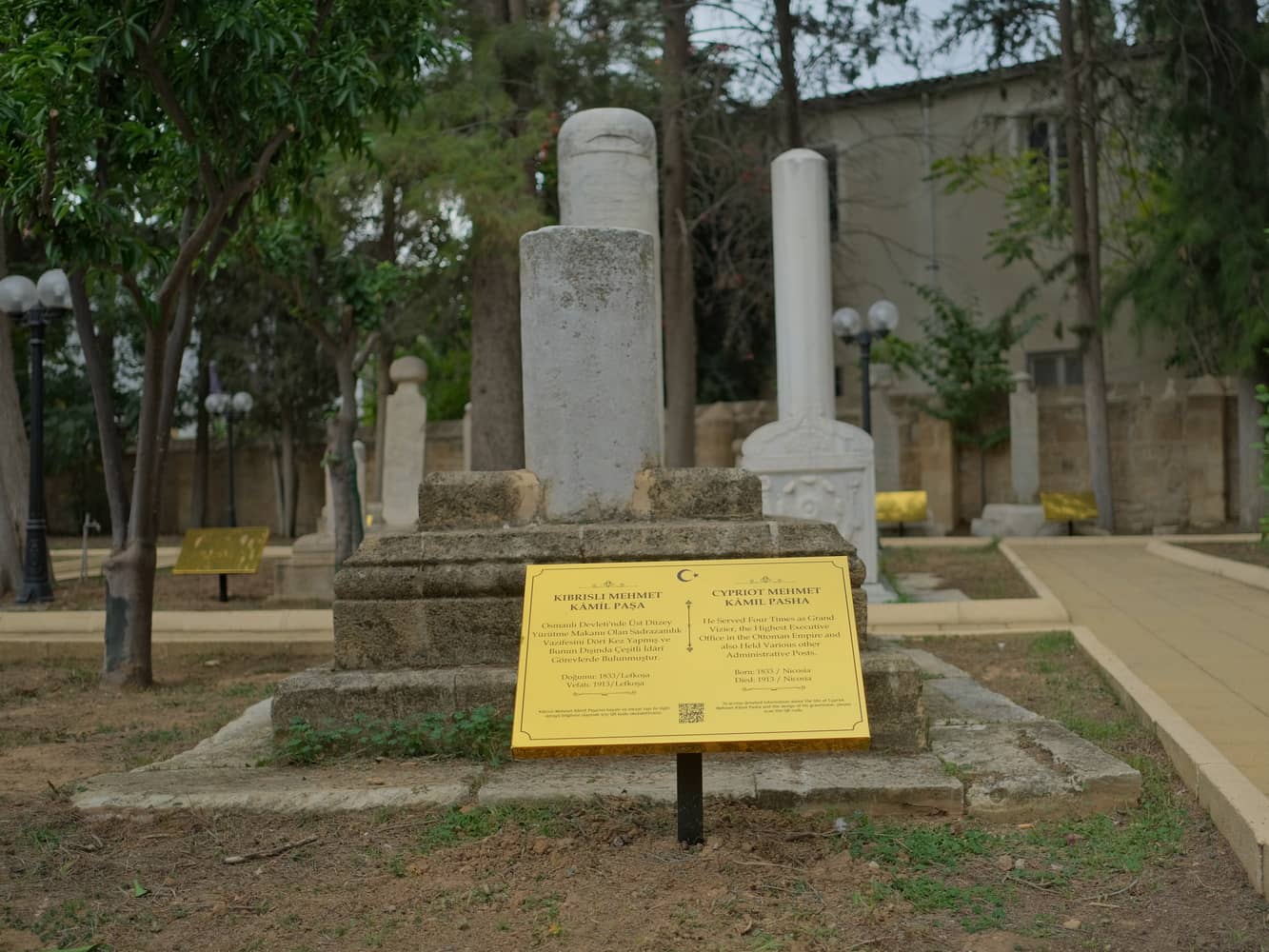
Mehmet Kâmil Pasha was one of the Cypriot statesmen who rose to the highest offices of the Ottoman state administration during the 19th and early 20th centuries. According to the information on his gravestone, he was born in Nicosia in 1833. His father was Captain Salih Ağa, from the village of Piroyi (now Gaziler) in Cyprus. His life, which began in Cyprus, eventually led him to the very highest echelons of the Ottoman Empire’s central administration. Kâmil Pasha’s career in public service encompassed various administrative and financial posts. His epitaph clearly states that he held the posts of Director of Waqf Affairs, District Governor of Tuzla and Chief Accountant. These posts demonstrate that he gained experience in various state institutions, ranging from waqf administration to provincial governance and finance. The pinnacle of his career, however, was his appointment to the office of Grand Vizier on four occasions. The office of Grand Vizier, being one of the most important positions in the Ottoman administrative system after the Sultan, illustrates the political standing Kâmil Pasha had attained. He passed away at his home in 1913 following a heart attack. Following the funeral prayer held at the Selimiye Mosque, his body was carried on the shoulders of the crowd to the Arapahmet Mosque, accompanied by a large procession, and was laid to rest at the site where he is buried today. In 1928, Ronald Storrs, one of the British governors of the time who held Kâmil Pasha in high esteem, had a gravestone erected at the head of his grave, inscribed in both Turkish and English.